Master Bathroom Remodel Cost in 2026: Complete Price Guide
What a primary bathroom renovation really costs in 2026, from a mid-range refresh to a spa-level suite, with every line item explained.

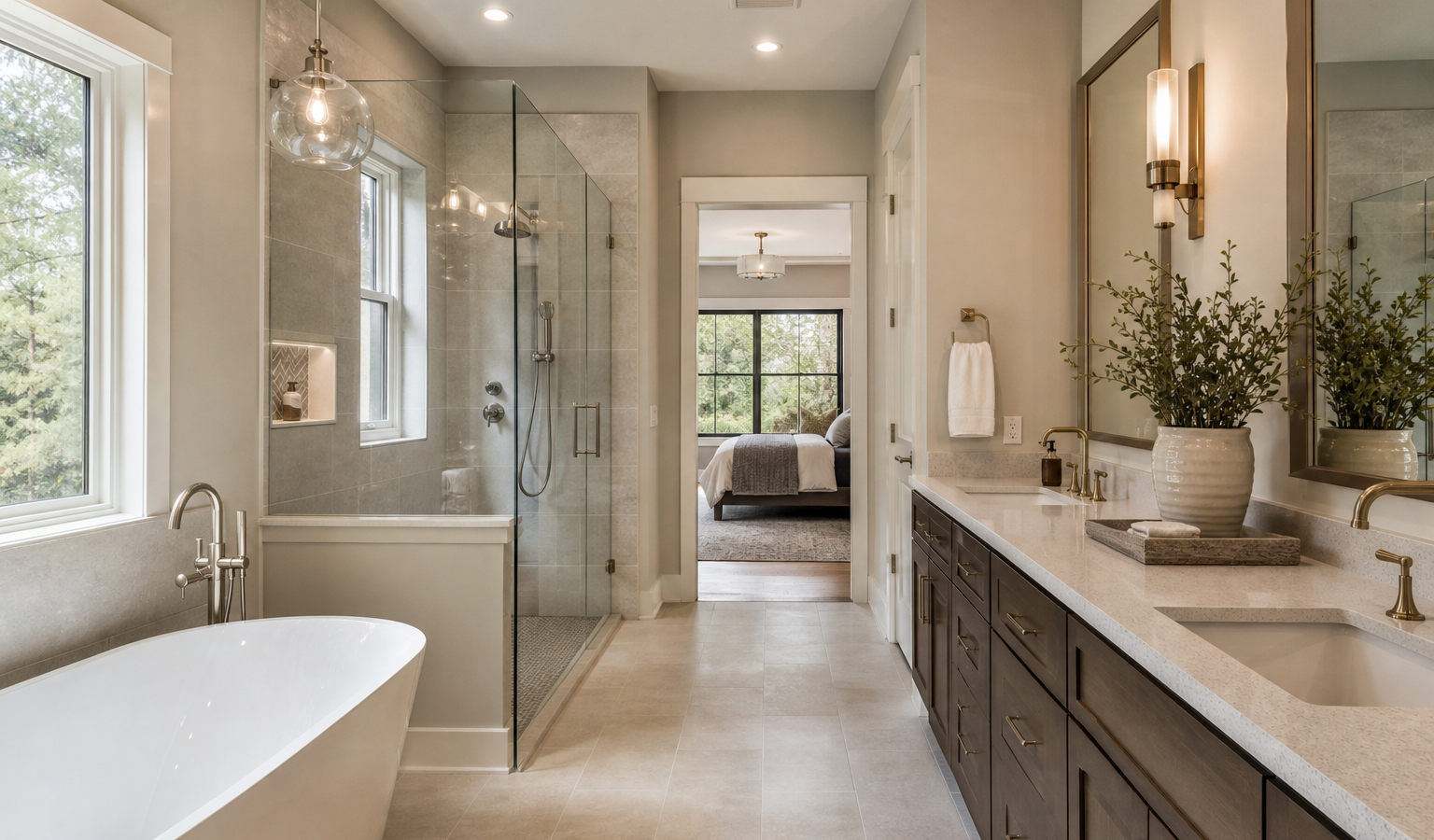
A master bathroom remodel cost in 2026 typically runs between $18,000 and $45,000, with most homeowners spending around $28,000 for a full remodel of a 100-square-foot primary suite. A cosmetic update that keeps the layout can start near $12,000, while a luxury spa bath with a freestanding tub, large walk-in shower, double vanity, and heated floors can exceed $50,000. The biggest variables are square footage, whether you relocate plumbing, and the finish level of tile, fixtures, and cabinetry.
Because a primary bathroom is larger and more feature-rich than a hall or guest bath, it carries the widest cost range of any bathroom project. This guide breaks the number down by size, feature, and finish so you can set a budget that matches the suite you actually want.
Key takeaways
- Expect $18,000 to $45,000 for a primary bathroom remodel, averaging about $28,000 in 2026.
- Per square foot runs $150 to $350, or $300 to $500 for luxury, spa-level finishes.
- The shower, double vanity, and tile are the three biggest line items.
- Relocating plumbing or expanding the footprint adds $5,000 to $20,000.
- A mid-range primary bath remodel returns roughly 60 to 70 percent at resale.
How much does a master bathroom remodel cost?
A master bathroom remodel cost averages $28,000 nationally in 2026, with a typical range of $18,000 to $45,000. A basic cosmetic refresh that reuses the layout runs $12,000 to $18,000; a mid-range remodel with a new tiled shower, double vanity, and quality finishes lands between $20,000 and $32,000; a luxury suite with premium materials and spa features climbs to $40,000 to $60,000 and beyond.
Primary bathrooms cost more than other baths for two reasons: they are bigger, and they almost always include upgrades a secondary bath skips, such as a separate soaking tub, a large walk-in shower, and a two-sink vanity. For pricing on smaller rooms, compare our small bathroom remodel cost guide or the broader bathroom remodel cost overview.
Master bathroom remodel cost by size
Primary bathrooms generally range from 80 to 200+ square feet, and cost scales roughly with area at $150 to $350 per square foot. A 100-square-foot suite is the national benchmark at around $28,000 for a mid-range remodel; a sprawling 200-square-foot spa bath can reach $60,000 or more.
| Bathroom size | Budget | Mid-range | Luxury |
|---|---|---|---|
| 80 sq ft | $12,000 | $22,000 | $38,000 |
| 100 sq ft | $15,000 | $28,000 | $48,000 |
| 120 sq ft | $18,000 | $34,000 | $55,000 |
| 150 sq ft | $22,000 | $40,000 | $68,000 |
| 200 sq ft | $28,000 | $52,000 | $90,000+ |
Master bathroom remodel cost breakdown by line item
Labor and the shower are the two largest costs in a primary bathroom, together often exceeding 45 percent of the budget. The table below shows typical 2026 installed prices for a 100-square-foot primary bath, covering both materials and labor.
| Line item | Budget | Mid-range | Luxury |
|---|---|---|---|
| Demolition and disposal | $600 | $1,200 | $2,200 |
| Plumbing | $1,200 | $3,000 | $6,500 |
| Electrical and ventilation | $700 | $1,600 | $3,500 |
| Walk-in shower | $3,000 | $6,500 | $12,000 |
| Soaking or freestanding tub | $800 | $2,500 | $6,000 |
| Tile (floor and walls) | $2,000 | $5,000 | $10,000 |
| Double vanity and tops | $1,500 | $3,500 | $8,000 |
| Toilet | $300 | $600 | $1,400 |
| Flooring and heat | $1,000 | $2,500 | $5,000 |
| Labor (general) | $5,000 | $10,000 | $18,000 |
Shower and tub costs
The wet zone is where primary baths earn their reputation for expense. A custom tiled walk-in shower runs $3,000 to $12,000 depending on size, glass, and tile; see our walk-in shower cost guide for the full breakdown. Many homeowners pair it with a separate soaking tub; a sculptural freestanding model adds $2,500 to $6,000 installed, as detailed in our freestanding tub cost guide.
Vanity and storage costs
A double vanity is the signature primary-bath upgrade, running $1,500 for a stock unit to $8,000 for semi-custom cabinetry with quartz tops and two undermount sinks. Our bathroom vanity guide explains sizing, materials, and configuration for two-sink layouts.
Master bathroom features and what they cost
Premium features are what separate a $20,000 remodel from a $50,000 one. The table below shows the most-requested primary-bath upgrades and their installed 2026 cost so you can add only the ones worth it to you.
| Feature | Installed cost | Worth it for |
|---|---|---|
| Freestanding soaking tub | $2,500 – $6,000 | Spa feel, resale appeal |
| Curbless walk-in shower | $5,000 – $12,000 | Accessibility, modern look |
| Heated tile floor | $1,000 – $4,000 | Comfort in cold climates |
| Steam shower | $3,000 – $10,000 | Daily relaxation |
| Double vanity | $1,500 – $8,000 | Shared morning routines |
| Smart toilet or bidet | $600 – $3,000 | Hygiene, luxury |
| Frameless glass enclosure | $900 – $3,000 | Open, high-end look |
Heated floors are a top request in cold-climate suites; our heated bathroom floor cost guide covers electric versus hydronic systems. For the enclosure, a frameless glass shower door is one of the best value upgrades for a luxury look.
Budget, mid-range, and luxury: what each tier buys
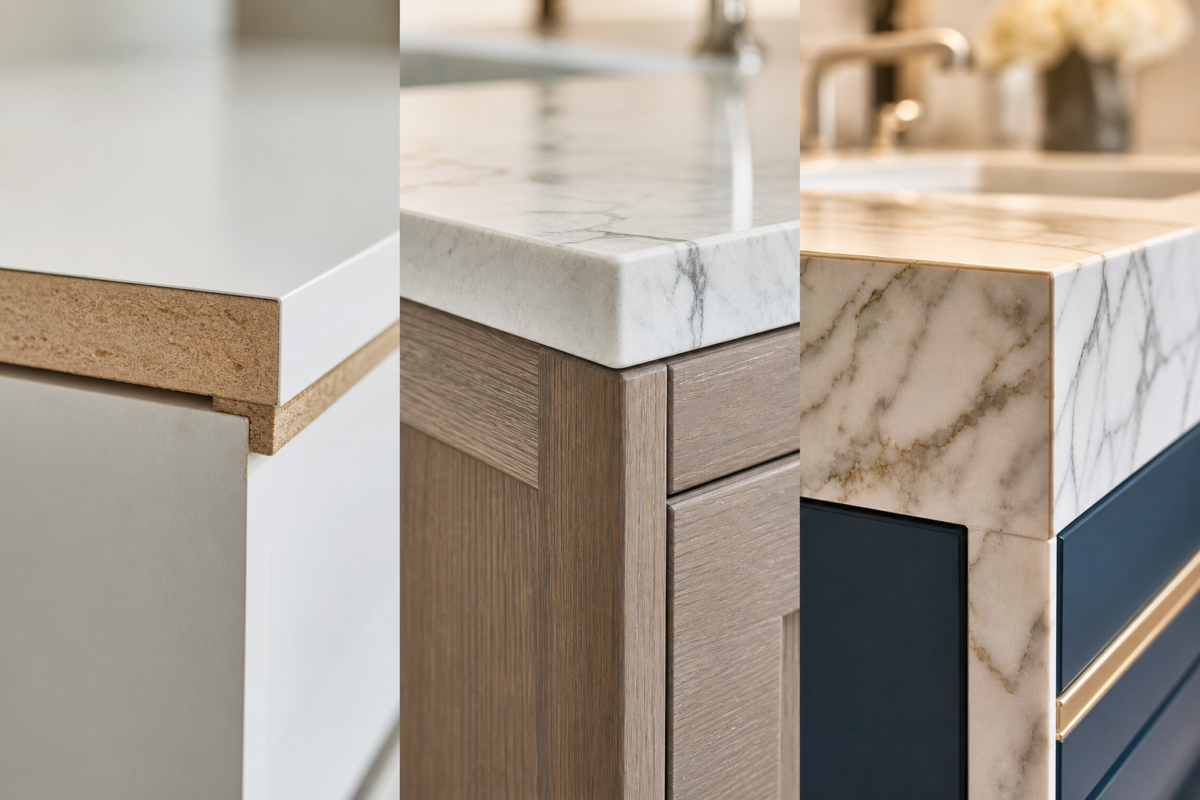
The three tiers differ less in square footage than in materials, labor hours, and the number of premium features. Knowing what each level actually delivers helps you set expectations before you get a single bid.
A budget primary bath ($12,000-$18,000) keeps the existing layout, uses stock cabinetry and ceramic tile, and upgrades fixtures without relocating plumbing. It looks fresh and functions well, but finishes are standard-grade. A mid-range remodel ($20,000-$32,000) adds a custom tiled walk-in shower, a semi-custom double vanity with quartz, porcelain tile, and quality fixtures, the sweet spot for most homeowners and the best resale value. A luxury suite ($40,000-$60,000+) brings a freestanding tub, large curbless shower with frameless glass, heated floors, designer tile, custom cabinetry, and smart fixtures, often with the footprint expanded or walls moved.
Jumping a tier rarely changes what the room does; it changes how it feels and how long it lasts. If budget is tight, a mid-range remodel with one or two carefully chosen luxury touches, such as heated floors or a statement shower, reads as high-end for a fraction of a full luxury build.
What drives master bathroom remodel cost
Footprint changes, tile scope, and fixture quality move a primary-bath budget more than anything else. The bars below rank the factors that most often push the total up.
The cost of moving plumbing
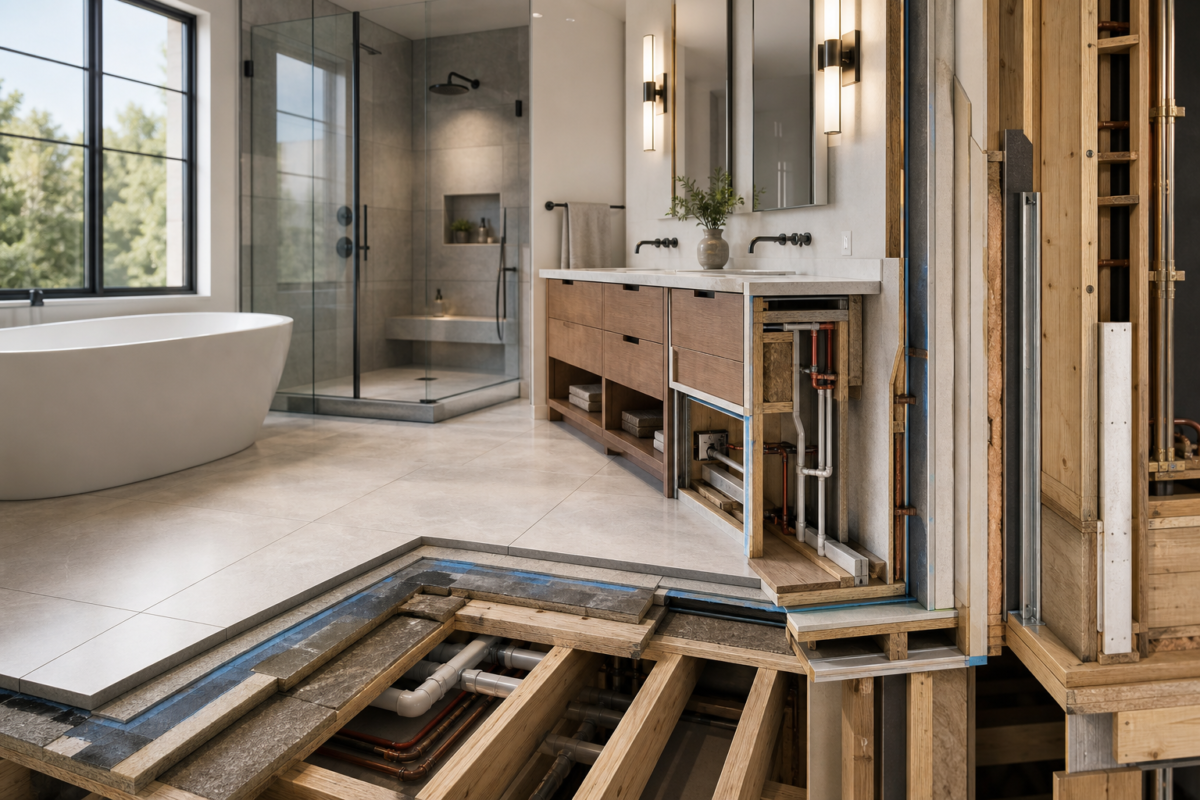
Relocating a toilet, adding a second sink, or converting a tub alcove into a walk-in shower means opening walls and floors and rerouting supply and drain lines. Budget $1,500 to $5,000 per fixture moved, and more if you are working over a slab. If the existing layout functions, the fastest route to savings is leaving the plumbing where it is.
Labor costs for a master bathroom remodel
Labor accounts for 40 to 55 percent of a master bathroom remodel cost, typically $5,000 to $18,000. A primary bath touches every trade: plumbing, electrical, tile, carpentry, glass, and often HVAC for ventilation, and the sheer number of fixtures and square feet of tile drives the hours up.
| Trade | Typical rate | Primary bath total |
|---|---|---|
| Plumber | $75 – $150/hr | $1,500 – $6,500 |
| Electrician | $65 – $130/hr | $700 – $3,500 |
| Tile setter | $50 – $120/hr | $2,500 – $10,000 |
| GC project management | 15% – 25% | $3,000 – $9,000 |
Where to save and where to splurge
Spend on what is permanent and hard to change; save on what is swappable. Waterproofing, the shower valve, ventilation, and tile labor reward quality, while mirrors, hardware, and light fixtures can be upgraded any weekend.
- Splurge: the shower system, waterproof membrane, and a quiet, correctly sized exhaust fan.
- Splurge: durable countertops (quartz) and a solid, well-built vanity.
- Save: keep the existing plumbing layout wherever possible.
- Save: use large-format porcelain on walls to reduce grout lines and labor.
- Save: choose a stock or semi-custom vanity over fully custom cabinetry.
Water efficiency pays off over time. Choosing EPA WaterSense labeled toilets, showerheads, and faucets can cut a household’s water use meaningfully without sacrificing performance, and many utilities offer rebates that offset the upgrade.
Contractor’s take
If you are building a separate tub and shower, be honest about how often you will actually use the tub. In most primary baths I remodel, the soaking tub becomes an expensive shelf within a year. Homeowners who commit the full wet-wall budget to one spectacular walk-in shower are almost always happier than those who split it between a mediocre tub and a mediocre shower.
Timeline for a master bathroom remodel
A primary bathroom remodel takes 4 to 8 weeks, longer than a small bath because of the added square footage, extra fixtures, and more tile to set and cure. Expanding the footprint or moving walls can stretch the schedule to 10 weeks or more once framing and inspections are added.
The sequence runs demolition, rough plumbing and electrical, inspection, waterproofing, tile, then cabinetry, fixtures, glass, and finish work. Glass shower enclosures are a common bottleneck; they are measured only after tile is set, then fabricated over 1 to 2 weeks, so plan for that gap.
How to budget and pay for a master bathroom remodel
Start with firm selections and a 15 percent contingency, then choose financing that matches the project size. Primary baths carry more hidden-condition risk than small baths because there is simply more wall, floor, and plumbing to uncover, so the contingency is not optional on an older home.
For projects in the $20,000 to $50,000 range, a home equity line of credit or home equity loan usually offers the lowest rate and the interest may be deductible when funds improve the home; confirm with a tax professional. A cash-out refinance can make sense if current mortgage rates are favorable, while personal loans suit homeowners who want speed and no lien. Avoid financing a luxury build on high-interest credit cards, the carrying cost can quietly add thousands to an already large budget.
Get three detailed, line-itemed bids and compare scope, not just bottom-line price. A bid that is $6,000 cheaper often omits waterproofing detail, uses builder-grade fixtures, or carries a thinner allowance for tile, differences that surface as change orders later. The cheapest number on paper is rarely the cheapest project by the end.
Is a master bathroom remodel worth it?
Yes, for both resale and daily use. A mid-range primary bathroom remodel recovers roughly 60 to 70 percent of its cost at resale, and an updated primary suite is one of the features buyers rank highest. Over-personalized, ultra-luxury baths recoup less, so match the finish level to your neighborhood.
For design standards and value benchmarks, the National Kitchen and Bath Association publishes planning guidelines worth reviewing before you finalize a layout. The strongest return comes from clean, timeless finishes, excellent lighting, and a shower that looks and functions beautifully, not from the most expensive materials on the shelf.
Your next move
You know the number. What are you deciding next?
Walk-in tub cost in 2026: $5,000 to $20,000 installed. Compare tub types, features, and the real Medicare coverage…
Continue →Bathroom remodel financing explained: compare home equity loans, HELOCs, cash-out refi, personal loans, and 0% cards with 2026…
Continue →Steam shower cost runs $3,000 to $10,000 installed in 2026. See prices by generator size, enclosure, and prefab…
Continue →Frequently asked
How much does a master bathroom remodel cost in 2026?
Most primary bathroom remodels run $18,000 to $45,000, averaging about $28,000 for a 100-square-foot suite. Budget refreshes start near $12,000, while luxury spa baths exceed $50,000.
What is the most expensive part of a primary bathroom remodel?
Labor and the custom shower are the two largest costs, together often exceeding 45 percent of the budget. Tile work and a double vanity follow close behind.
Should I have both a tub and a separate shower?
Only if you will use the tub and have the space. A separate soaking tub adds $2,500 to $6,000 and appeals to buyers, but if bathing is rare, a larger premium shower usually delivers more daily value.
How long does a master bathroom remodel take?
Plan for 4 to 8 weeks, or up to 10 weeks if you move walls or expand the footprint. Glass enclosures and tile cure times are the most common schedule bottlenecks.
Does a master bathroom remodel add home value?
Yes. A mid-range primary bath remodel returns roughly 60 to 70 percent at resale and is a top feature for buyers. Keep finishes timeless and in line with your neighborhood to maximize return.

Figures reflect 2026 US national averages from contractor bids and supplier pricing; local labor and permit costs vary.