Bathroom Remodel Cost in 2026: Full Price Breakdown by Size and Tier
A clear-eyed 2026 breakdown of what a bathroom remodel really costs, from a $6,000 refresh to a $60,000 primary suite.

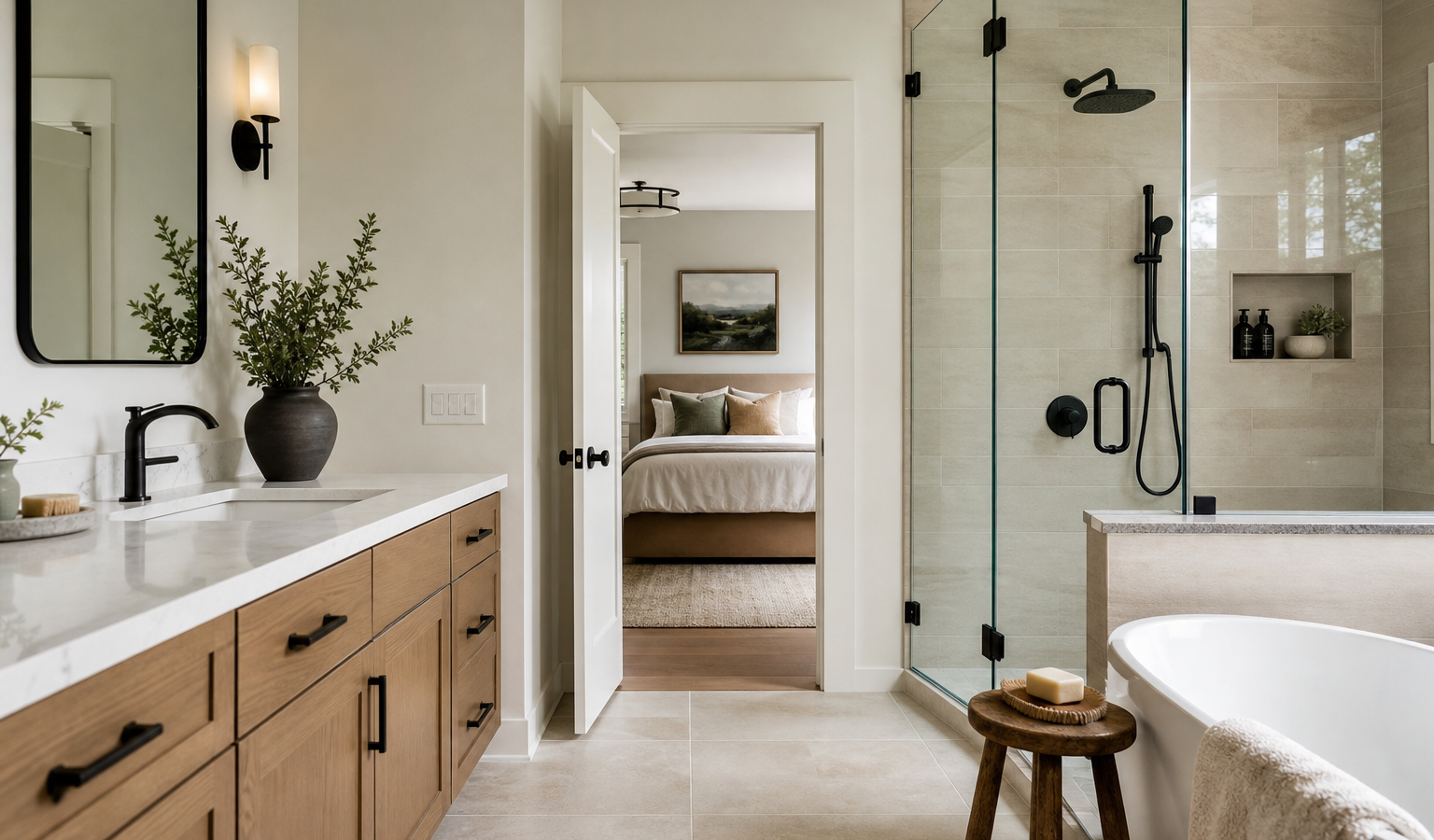
A bathroom remodel cost in 2026 lands near a national average of $16,500, with most homeowners spending between $10,000 and $30,000 once labor, fixtures, and finishes are added up. That single number hides a huge amount of variation, though. A cosmetic refresh of a guest bath can wrap up for well under $10,000, while a gutted primary suite with a curbless shower and heated floors can push past $60,000. The gap comes down to three things: the size of the room, how far you move the plumbing, and the quality tier of the products you choose.
This guide breaks down real 2026 pricing by size, by tier, and by line item, so you can build a budget that reflects your actual project instead of a headline average. We will show where the money goes, which decisions swing the total the most, and how to avoid the hidden costs that blow up a renovation halfway through. Bathrooms are small rooms with an outsized amount of trades packed into them, which is exactly why the cost per square foot runs higher than almost any other room in the house, including the kitchen.
What a bathroom remodel costs in 2026
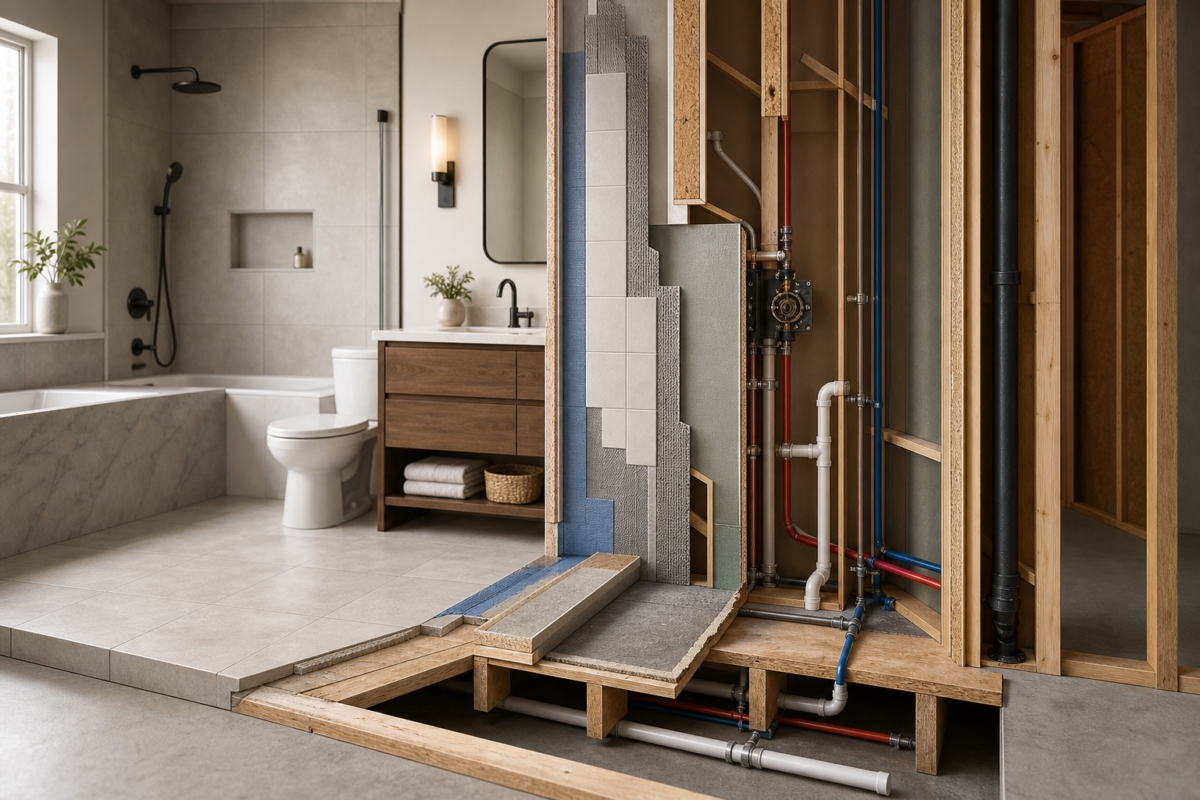
The clearest way to frame a bathroom renovation budget is by tier, because the finishes and the scope tend to move together. A cosmetic refresh keeps the existing layout and swaps surfaces. A mid-range remodel replaces most fixtures and often reworks the shower. A high-end project changes the layout, upgrades to custom tile and stone, and adds features like a freestanding tub or a steam shower. The table below shows 2026 ranges and the typical cost per square foot for each tier.
| Remodel tier | Total cost | Cost per sq ft | What it includes |
|---|---|---|---|
| Cosmetic refresh | $5,000 – $10,000 | $80 – $120 | Paint, vanity, fixtures, same layout |
| Mid-range remodel | $15,000 – $30,000 | $150 – $250 | New shower, tile, vanity, flooring |
| High-end remodel | $35,000 – $60,000 | $250 – $400 | Layout change, custom tile, stone tops |
| Luxury primary suite | $60,000 – $120,000+ | $400 – $600+ | Freestanding tub, curbless shower, heated floor |
Per-square-foot figures are useful for sanity-checking a bid, but bathrooms are trade-dense, so the number climbs fast on small rooms. A 40-square-foot hall bath can still cost $18,000 to gut and rebuild because it needs the same plumber, tile setter, and electrician a larger room does, just in a tighter space. Treat cost per square foot as a comparison tool between quotes, not as a way to price your project from scratch.
Bathroom remodel cost by size and type
Room size sets the floor for your budget because it drives the amount of tile, the size of the vanity, and the number of fixtures. The type of bathroom, from a tiny powder room to a full primary suite, tells you which fixtures are even in play. Here is how 2026 costs sort out by room.
Powder room and half bath remodel cost
A powder room runs 15 to 25 square feet and holds only a toilet and a sink, so it is the cheapest bathroom to renovate at $3,000 to $12,000. Because there is no shower or tub, you skip the waterproofing and the most expensive plumbing work. This is the room where a bold vanity, a statement mirror, or dramatic wallpaper delivers the most visual payoff per dollar, which makes half baths a favorite target for a budget-conscious refresh.
Full hall and guest bathroom remodel cost
A standard full bath of 35 to 50 square feet, with a tub-shower combo, vanity, and toilet, typically costs $10,000 to $25,000 in 2026. This is the most common bathroom in American homes and the sweet spot for mid-range finishes. Keeping the existing layout holds the number down; moving the toilet or tub to a new wall pushes it up quickly because of the plumbing rerouting involved.
Primary and master bathroom remodel cost
A primary bath of 75 to 100 square feet runs $25,000 to $50,000 for a mid-range build, and $50,000 to $120,000 or more for a high-end suite. These rooms carry the priciest features: double vanities, a separate soaking tub and shower, custom tile, and often heated floors. If you are weighing where to invest across the whole house, it helps to compare these figures against a kitchen remodel cost breakdown, since kitchens and primary baths are the two rooms that most influence resale.
Where the money goes: cost breakdown by line item
Understanding the individual line items is what separates a realistic budget from a hopeful one. The shower and the plumbing are almost always the two largest costs, together often accounting for a third to half of a full remodel. The table below shows typical 2026 installed costs for the major components in a mid-range project.
| Component | Budget | Mid-range | High-end |
|---|---|---|---|
| Vanity (with top) | $400 – $700 | $1,200 – $2,500 | $3,500 – $8,000 |
| Toilet | $200 – $400 | $530 – $710 | $1,400 – $6,000 |
| Shower (installed) | $1,500 – $3,000 | $5,000 – $8,000 | $8,000 – $12,000+ |
| Bathtub | $2,000 – $3,000 | $3,000 – $5,000 | $5,000 – $9,400 |
| Tile (per sq ft, material) | $2 – $8 | $8 – $20 | $20 – $40+ |
| Flooring (installed) | $800 – $1,200 | $1,200 – $2,500 | $2,500 – $5,000 |
| Plumbing rough-in | $3,000 – $4,000 | $4,000 – $5,000 | $5,000 – $10,000+ |
Vanity, countertop, and fixtures
A stock vanity with a cultured-marble top starts around $400, while a custom cabinet with a natural stone slab climbs past $5,000. Vanity tops follow the same material logic as kitchen counters, so if you are choosing between a solid surface and a slab, the tradeoffs in quartz vs granite apply directly. Faucets and shower trim range from $80 at the builder-grade end to $1,500 for a designer pressure-balanced set, so a coordinated finish across the faucet, trim, and hardware is one of the cheapest ways to make a bath feel custom.
Shower and tub
The shower is the single biggest swing in most bathroom budgets. A prefab acrylic surround runs $1,500 to $3,000 installed, while a custom-tiled shower with a glass enclosure lands between $5,000 and $12,000 once you factor in waterproofing, the pan, and the labor-intensive tile work. If a walk-in is on your list, our dedicated walk-in shower cost guide breaks the shower down fixture by fixture. Tubs range from a $300 to $600 reglaze on a sound existing unit up to $9,400 for a high-end freestanding soaker.
Tile, flooring, and paint
Tile material runs $2 to $40 per square foot, and labor typically adds two to three times the material cost because bathroom tile involves waterproofing, small cuts, and niches. Flooring is often porcelain or luxury vinyl, and the same material comparisons that guide the best kitchen flooring choices carry over to wet rooms, where slip resistance and moisture tolerance matter even more. Paint is the cheapest impact you can buy, usually $1,000 to $1,500 for a full room with a moisture-rated finish.
Labor versus materials: the real split
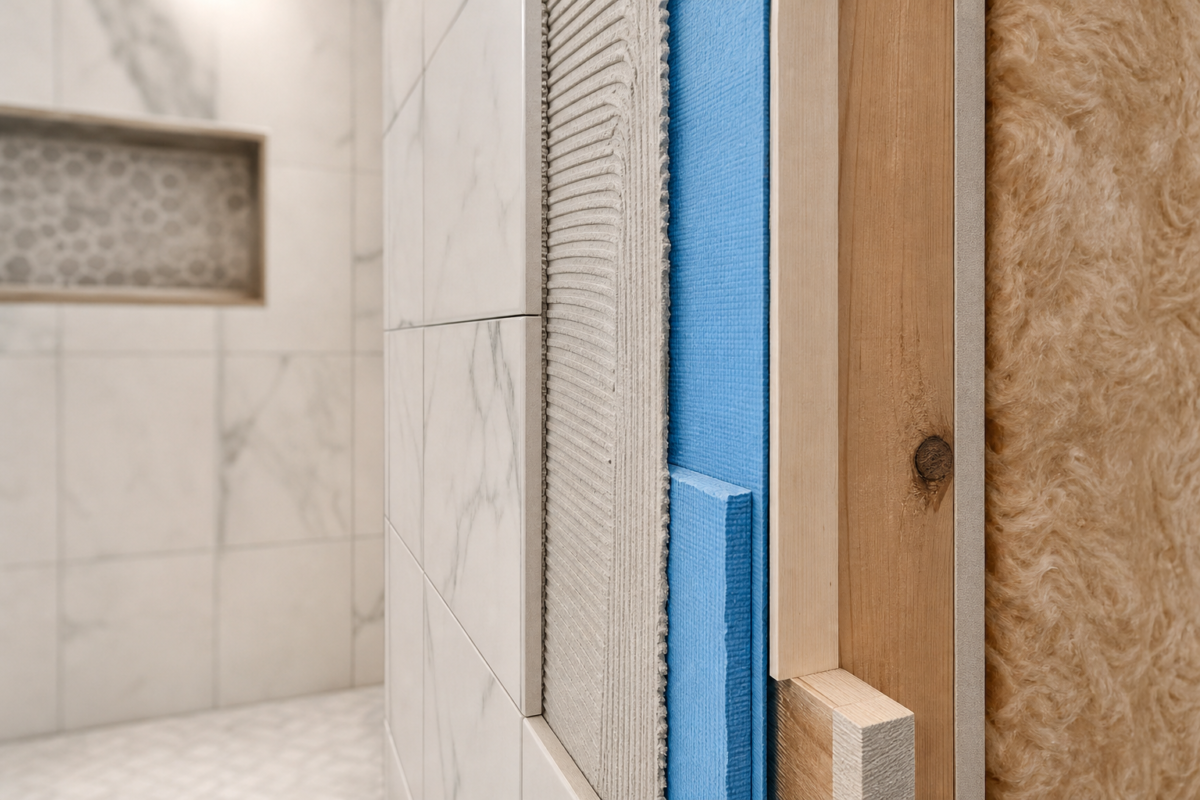
In a typical mid-range bathroom remodel, labor takes 50 to 65 percent of the total, and materials take the remaining 30 to 45 percent. That ratio surprises people who assume the fixtures are the expensive part. The reality is that a bathroom stacks five or six trades into a small space: demolition, plumbing, electrical, tile setting, drywall, and finish carpentry. Each trade carries its own minimum charge and scheduling overhead, which is why even modest bathrooms rarely dip below a few thousand dollars in labor alone. Plumbers bill $85 to $175 per hour in most metros, tile setters charge $30 to $120 per hour, and electricians run $50 to $100 per hour.
The takeaway is that spending more on materials rarely moves your total as much as changing the scope of the labor. Upgrading a $200 faucet to a $600 faucet adds $400. Moving the toilet three feet to a new wall can add $1,000 to $5,000 in plumbing labor. Keep the plumbing where it is and splurge on the finishes, and you get a luxury look without the luxury labor bill.
Cost factors that move your budget the most
Not all decisions carry equal weight. These are the factors, roughly in order of impact, that determine whether your project lands at the low or high end of its range.
The pattern here mirrors what drives a kitchen budget, where moving appliances and reworking the footprint dominate the cost. If you want a deeper sense of how scope decisions ripple through a whole-house budget, the framework in our splurge vs save guide translates cleanly to bathrooms: spend on the things you touch daily and that are hard to change later, and save on the things that are easy to swap.
Hidden costs and how to avoid budget blowouts
Bathrooms hide more surprises than any other room because they combine water, wood, and decades of use. Opening up a wall or floor frequently reveals problems that were invisible during the estimate. Budget a contingency of 10 to 20 percent specifically for these items, which are common enough that experienced contractors expect at least one on every gut job.
| Hidden issue | Typical 2026 cost |
|---|---|
| Rotted subfloor repair | $3.75 – $7 per sq ft |
| Mold remediation | $500 – $6,000 |
| Asbestos or lead abatement | $500 – $3,000+ |
| Floor joist repair | $300 – $1,500 per joist |
| Old galvanized pipe replacement | $1,500 – $4,000 |
| Electrical panel upgrade | $850 – $2,500 |
Permits are another line people forget. A bathroom remodel that touches plumbing or electrical almost always requires a permit, running $100 to $1,000 depending on your jurisdiction, and skipping it can cost far more when it surfaces during a future home sale. Demolition and disposal add another $1,000 to $2,300 for a full gut.
Contractor’s take
Before you sign anything, ask your contractor to open one access point and inspect the plumbing wall and the subfloor around the toilet. That 30-minute look is the single best way to price the risk on an older home. If the drain lines are corroded galvanized or the subfloor flexes under the toilet flange, you want that priced into the contract, not sprung on you in week two when demolition exposes it and your leverage is gone.
Budget, mid-range, or high-end: what you actually get
Deciding which tier fits your home comes down to how long you plan to stay and what the neighborhood supports. Here is a practical checklist for choosing your level before you gather bids.
- Staying under three years or renting the property: keep it cosmetic, $5,000 to $10,000, and refresh surfaces only.
- Family bath you use daily and plan to keep five-plus years: go mid-range, $15,000 to $30,000, with a new shower and durable tile.
- Primary suite in a mid-to-high-value home: high-end, $35,000 to $60,000, pays back in daily use and resale appeal.
- Aging in place is a goal: budget for a curbless shower, grab bars, and comfort-height fixtures now, not later.
- Keep the layout if the plumbing works: it is the cheapest way to buy a big visual change.
- Match the finish level to your home’s price bracket so you do not over-improve.
How long a bathroom remodel takes
A standard mid-range bathroom remodel runs four to six weeks from demolition to final walkthrough. Smaller cosmetic projects can finish in two to three weeks, while a full primary suite with custom tile and a layout change can stretch to eight weeks or more. The timeline is driven less by the size of the room and more by the number of trades and the curing time for materials like mortar, grout, and waterproofing membranes, which cannot be rushed. Sequencing matters too: the same discipline that keeps a kitchen remodel timeline on track, where trades hand off cleanly and inspections are scheduled early, applies just as much to a bathroom.
Build in buffer time. The two most common causes of delay are a hidden condition that requires a change order and a fixture that arrives damaged or on backorder. Ordering all your finish materials before demolition begins, and confirming they are in hand, prevents the second problem entirely and is the easiest schedule insurance you can buy.
Return on investment and resale value
A mid-range bathroom remodel recoups roughly 60 to 70 percent of its cost at resale in 2026, and a well-scoped update can return more in a competitive market where buyers expect move-in-ready baths. Over-improving is the main way people lose money here: a $60,000 luxury bath in a modest home will not return its full cost, because the ceiling on the home’s value is set by the neighborhood. The best returns come from mid-range remodels that fix dated or non-functional bathrooms rather than gold-plating already-adequate ones.
Think about ROI the same way you would for the kitchen. The logic in our kitchen remodel ROI analysis holds for bathrooms: the biggest resale gains come from bringing a clearly outdated room up to current standards, not from chasing the highest-end finishes. A clean, neutral, well-built bathroom appeals to the widest pool of buyers, and that broad appeal is what protects your investment when it is time to sell.
Your next move
You know the number. What are you deciding next?
Walk-in tub cost in 2026: $5,000 to $20,000 installed. Compare tub types, features, and the real Medicare coverage…
Continue →Bathroom remodel financing explained: compare home equity loans, HELOCs, cash-out refi, personal loans, and 0% cards with 2026…
Continue →Steam shower cost runs $3,000 to $10,000 installed in 2026. See prices by generator size, enclosure, and prefab…
Continue →Frequently asked
How much does a small bathroom remodel cost in 2026?
A small full bath of 35 to 50 square feet typically costs $10,000 to $25,000 for a mid-range remodel. A powder room with just a toilet and sink runs less, from $3,000 to $12,000, because it skips the shower and the most expensive plumbing.
What is the most expensive part of a bathroom remodel?
The shower and the plumbing are usually the two largest costs. A custom-tiled shower with glass runs $5,000 to $12,000, and plumbing rough-in adds $3,000 to $5,000, more if you relocate fixtures to a new wall.
Can I remodel a bathroom for $10,000?
Yes, if you keep the existing layout and choose budget-to-mid-range finishes. A $10,000 budget covers a new vanity, toilet, fixtures, flooring, paint, and a prefab shower surround. Moving plumbing or adding custom tile pushes you past that number quickly.
Do I need a permit to remodel a bathroom?
In most US jurisdictions you need a permit any time you alter plumbing, electrical, or the structure. Permits run $100 to $1,000. Cosmetic work like paint or a like-for-like vanity swap usually does not require one, but check with your local building department.
How long does a bathroom remodel take?
A mid-range bathroom remodel takes four to six weeks. Cosmetic refreshes finish in two to three weeks, while a full primary suite with custom tile and a layout change can run eight weeks or more, largely because of curing time for tile and waterproofing.

Figures reflect 2026 US averages from contractor cost data and remodeling market surveys.