DIY vs Pro Bathroom Remodel: What to Tackle Yourself (2026)
A clear-eyed breakdown of what to DIY, what to hire out, and how much a do-it-yourself bathroom remodel actually saves in 2026.

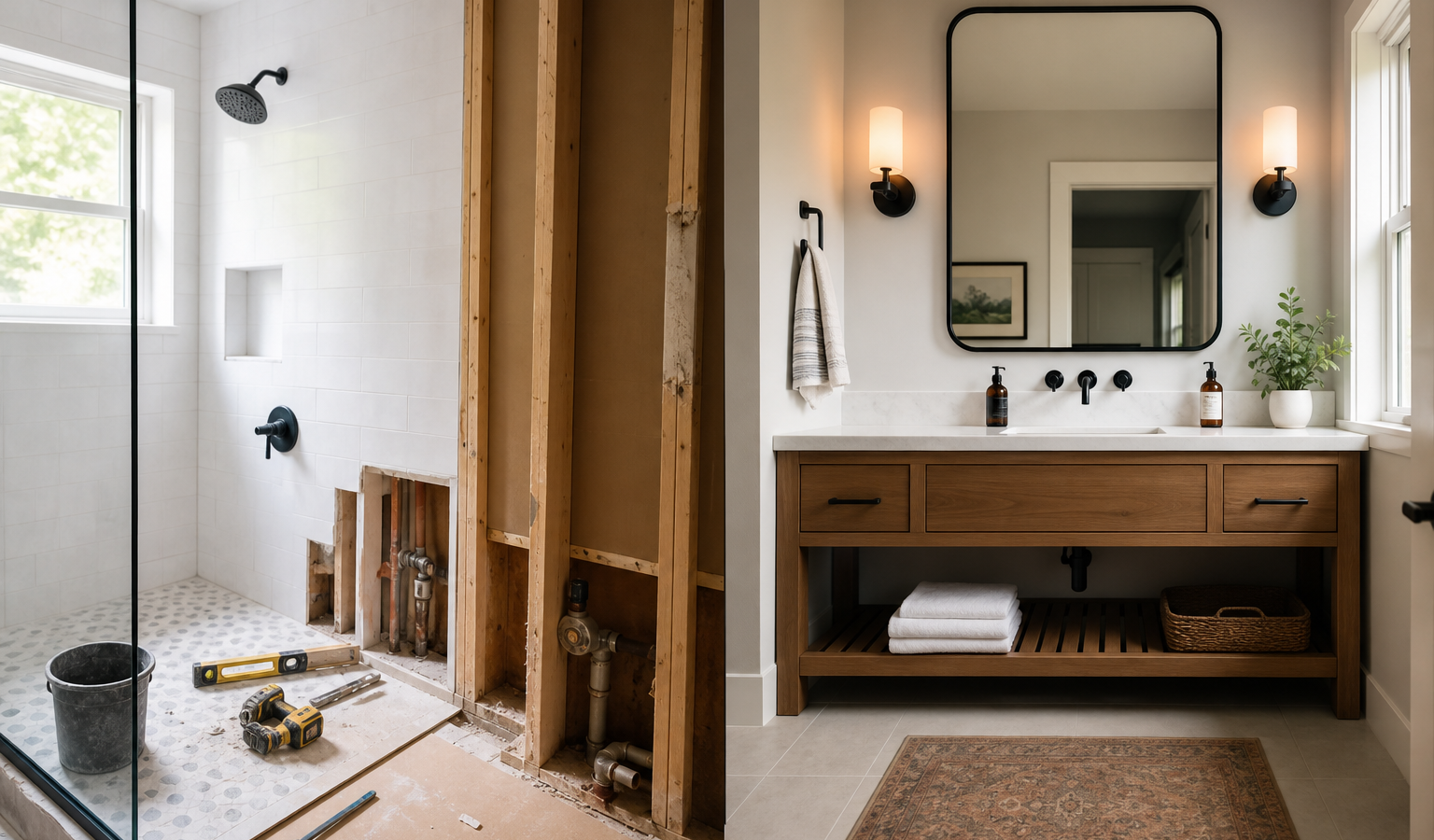
The DIY vs pro bathroom remodel decision comes down to three things: how much you can realistically save, which tasks you can legally and safely do, and how much risk you are willing to carry if something goes wrong behind the walls. A confident DIYer can cut a $13,000 remodel to $4,000 to $6,000 by supplying their own labor, but plumbing, electrical, and waterproofing mistakes can erase every dollar saved and then some. This guide lays out exactly what to tackle yourself, what to hand to a licensed pro, and how the math actually works in 2026.
Labor is 40% to 65% of a typical bathroom budget, so doing the work yourself is the single biggest lever on cost. But a bathroom packs more wet, hidden, and code-regulated systems into a small footprint than any other room, which raises the stakes on every shortcut. The right answer for most homeowners is a hybrid: DIY the finish work you can learn, and hire out the trades where a failure means water damage, shock, or a failed inspection. For the full price picture, start with our bathroom remodel cost guide.
Key takeaways
- DIY can cut a $13,000 remodel to roughly $4,000 to $6,000 by removing paid labor.
- Safe DIY tasks: demo, painting, vanity swaps, mirrors, hardware, and accessories.
- Leave plumbing moves, electrical, shower waterproofing, and structural work to licensed pros.
- A permit is usually required for any plumbing, electrical, or layout change, DIY or not.
- The real DIY cost includes tools, your time, and the price of fixing mistakes.
DIY vs pro bathroom remodel: the real cost difference
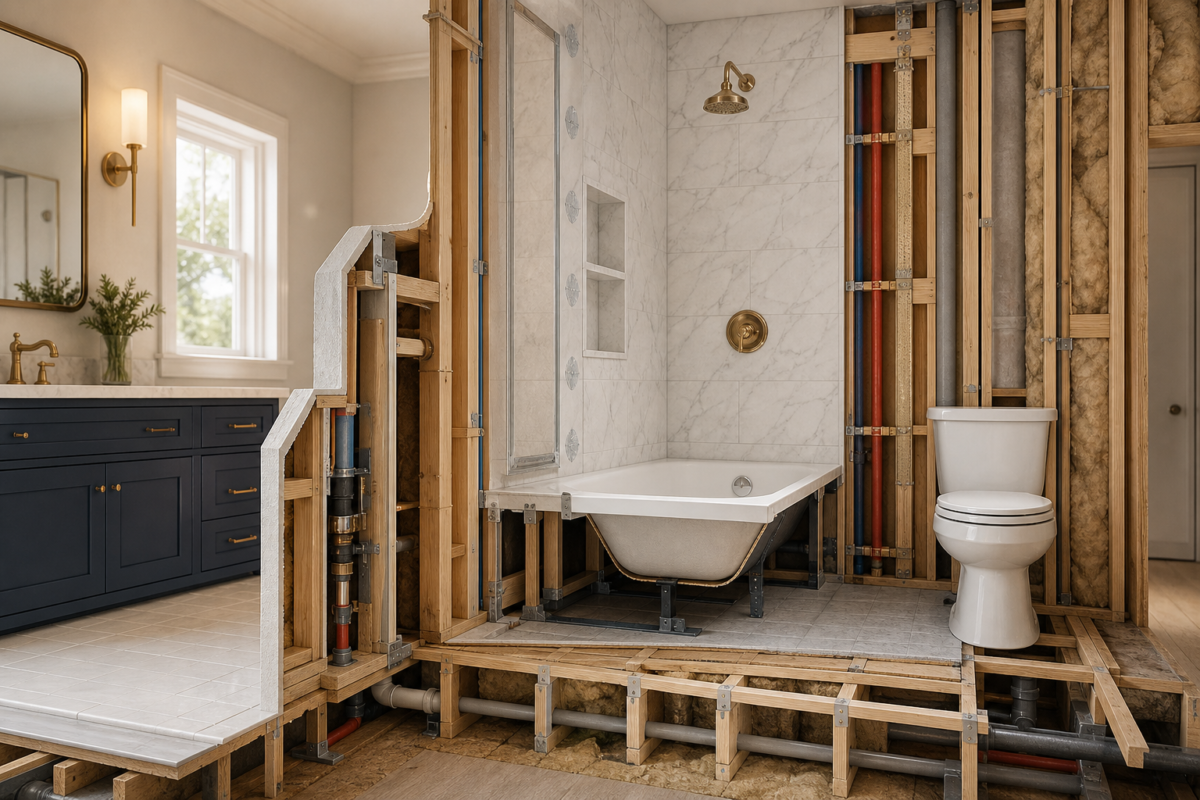
A full DIY bathroom remodel typically costs $1,500 to $8,000 in materials, while hiring a pro for the same scope runs $10,000 to $25,000 because you are paying for skilled labor, project management, and warranties. The gap is almost entirely labor, which makes DIY tempting, and risky.
The table compares a mid-range remodel done three ways. The hybrid column reflects what most homeowners actually do: DIY the demo and finishes, hire the plumber, electrician, and tile setter.
| Approach | Typical 2026 cost | Timeline | Best for |
|---|---|---|---|
| Full DIY | $1,500 – $8,000 | 3 – 8 weeks | Experienced, cosmetic scope |
| Hybrid (DIY + trades) | $6,000 – $14,000 | 2 – 5 weeks | Most homeowners |
| Full professional | $10,000 – $25,000 | 2 – 3 weeks | Layout changes, warranty |
| Labor share of a pro job | 40% – 65% of total | — | What DIY removes |
Those material numbers assume you already own basic tools. If you do not, add $300 to $1,500 for a wet saw, drill, level, and the rest. Before you commit, compare the honest DIY total against a bid, and read our budget bathroom remodel ideas for ways a pro job can still fit a tight number.
What you can safely DIY
The best DIY bathroom tasks are the reversible, non-structural, non-wet jobs: demolition, painting, installing a vanity, swapping a faucet or mirror, and updating hardware and accessories. These save real money with low downside if you take your time.
Demolition and prep
Tearing out old tile, a vanity, or a tub is labor you can absolutely supply. Work carefully around pipes and wiring, rent a dumpster, and wear protection. Homes built before 1978 may contain lead paint, so review the EPA Lead Renovation (RRP) rule before sanding or demoing painted surfaces.
Painting and finishing
Painting walls, trim, and even refinishing a vanity cabinet is squarely in DIY territory. Use a mildew-resistant, semi-gloss or satin bathroom paint and run the exhaust fan while it cures.
Fixtures and accessories
Swapping a like-for-like faucet, installing a new mirror, towel bars, a toilet seat, or a vanity (when the plumbing stays put) are manageable weekend jobs. Replacing a toilet is intermediate but doable if you can set a wax ring and check for leaks.
Simple floor tile and backsplash
Setting tile on a flat, dry, properly prepared floor is within reach for a patient DIYer, especially with large-format tile and a leveling system. The caveat is the prep underneath: the deck must be stiff and the right substrate in place. A backsplash or a non-wet accent wall is even friendlier because it carries no waterproofing burden. Save the shower walls and pan, where a leak hides for months, for a pro.
What to leave to a licensed pro
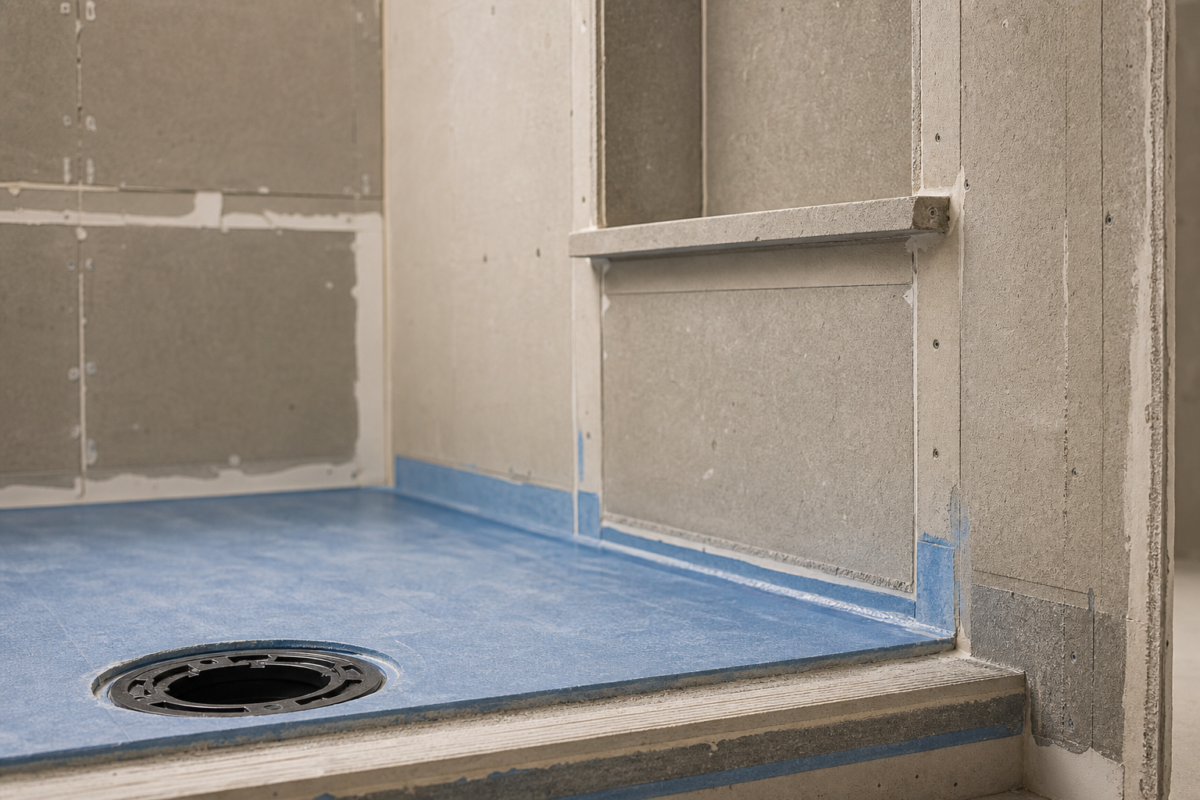
Hire a licensed professional for any plumbing relocation, electrical work, shower pan waterproofing, and structural changes. These are the tasks where a mistake causes hidden water damage, fire risk, or a failed inspection, and where warranties and code sign-off matter most.
Plumbing moves
Swapping a faucet is DIY; moving a drain, relocating supply lines, or re-plumbing a shower is not. Improper slope, joints, or venting leads to slow leaks and sewer gas, and most jurisdictions require a licensed plumber and a permit for these changes.
Electrical work
Bathrooms require GFCI protection, proper circuits for heated floors or fans, and correct placement away from water. Electrical errors are a shock and fire hazard, and insurers can deny claims on unpermitted work. Hire a licensed electrician.
Waterproofing and tile showers
A tiled shower lives or dies on its hidden waterproofing. Pan slope, membrane continuity, and flood-testing are precise skills, and a failure rots the subfloor and framing. If you want a walk-in shower, this is the task to hire out.
Structural, gas, and ventilation
Moving a wall, enlarging a window, or altering floor framing can affect the structure of your home and needs an engineer or experienced contractor. Any gas line work (for a tankless water heater or a gas fixture) should go to a licensed professional, no exceptions. Ducting a new exhaust fan to the exterior, not just into the attic, is another spot where DIY jobs commonly fall short and cause moisture and mold problems down the line.
The hidden costs of DIY
DIY is never free; the real cost includes tools, your time, permit fees, and the price of correcting mistakes, which can exceed what a pro would have charged. Budget honestly for all four before deciding.
Time is the cost people underestimate most. A pro crew finishes a bathroom in two to three weeks because it is their full-time job; a weekend DIYer on the same scope often takes six to eight weeks, and the bathroom is out of service the whole time. In a one-bathroom home, that disruption has a real value. Then there is the rework: a leaking shower pan or a cracked tile floor set on a flexing subfloor can cost more to demo and redo than hiring a tile setter would have in the first place.
Tool cost is one-time but real. A quality wet saw, a good drill, a level, a stud finder, and a multimeter add up, and specialized items like a tile leveling system or a pipe cutter are easy to forget in the budget.
There is also a materials penalty that pros avoid: waste. An experienced tile setter wastes 5% to 10% of a tile order; a first-timer can waste 20% or more on miscuts, and may buy the wrong thinset or grout and have to start over. Contractors also buy at trade pricing you cannot access, which narrows the materials gap more than most DIY calculators admit. Factor an extra 10% to 15% on your material order for learning-curve waste, and keep the receipts in case you need to return the surplus.
Permits, codes, and inspections
Most bathroom projects that touch plumbing, electrical, or the layout require a permit, whether you DIY or hire out, and skipping one can block a future home sale. A cosmetic refresh (paint, fixtures, a like-for-like vanity) usually does not need a permit.
Permits exist to protect you: an inspector catches the undersized vent, the missing GFCI, or the unsealed pan before it becomes a problem. Unpermitted work can surface during a home inspection at resale, forcing you to tear open finished walls to prove compliance, or to discount the sale. Many building departments will not issue certain permits to homeowners for electrical or gas work, which is another signal those tasks belong with a licensed trade. Always call your local building department before you start; requirements vary widely by jurisdiction. Pulling the permit yourself as the homeowner is often allowed for simple work, but it also makes you the responsible party on record, so be sure the work will pass inspection before you sign for it.
The hybrid approach most homeowners should use
The smartest strategy for most people is a hybrid remodel: do the demo and finish work yourself and hire licensed trades for plumbing, electrical, and waterproofing. It captures most of the labor savings while protecting the parts of the project you cannot afford to get wrong.
- DIY the demolition, haul-away, and surface prep.
- Hire a licensed plumber for any pipe relocation and the shower rough-in.
- Hire a licensed electrician for circuits, GFCI, fans, and heated floors.
- Hire a tile setter for the shower pan and waterproofing; DIY a simple floor if confident.
- DIY painting, the vanity install, mirror, lighting trim-out, and hardware.
- Coordinate the trades in the right order using a remodel timeline.
Sequencing is where hybrid jobs succeed or fail. Trades have to come in the right order, and a missed step means tearing out finished work. If you are managing it yourself, map the schedule first and keep a contingency fund, which you can plan for in our bathroom remodel financing guide.
Contractor’s take
I tell homeowners to DIY everything they can see and hire out everything they cannot. Paint, vanity, mirror, hardware, trim, all yours, and you will be proud of it. But the pan under a tile shower, the supply lines in the wall, the circuit feeding a heated floor, those are the jobs I get called to fix after a DIY leak has already soaked a ceiling. By then the repair costs more than the original labor would have. Save your money and sweat on the finishes; spend it on the trades for anything wet or wired. A properly vented fan, sized per ENERGY STAR guidance, is another one worth doing right the first time.
When DIY is a mistake
DIY is a mistake when the project involves moving plumbing or electrical, building a tiled shower, changing the layout, or working on a home you plan to sell soon. In those cases the risk of water damage, code violations, and resale problems outweighs the labor savings.
It is also the wrong call if you simply do not have the time. A half-finished bathroom that drags on for months is a daily frustration and, in a single-bath home, a genuine hardship. Be honest about your skill, your schedule, and your tolerance for the moment you open a wall and find a problem you did not expect. Reviewing the most common bathroom remodel mistakes before you start is the cheapest insurance there is, and it often convinces borderline DIYers to hire out the one or two tasks that cause the most regret.
Your next move
You know the number. What are you deciding next?
Walk-in tub cost in 2026: $5,000 to $20,000 installed. Compare tub types, features, and the real Medicare coverage…
Continue →Bathroom remodel financing explained: compare home equity loans, HELOCs, cash-out refi, personal loans, and 0% cards with 2026…
Continue →Steam shower cost runs $3,000 to $10,000 installed in 2026. See prices by generator size, enclosure, and prefab…
Continue →Frequently asked
How much can I save doing a bathroom remodel myself?
On a mid-range project, full DIY can save $6,000 to $12,000 in labor, bringing a $13,000 remodel down to roughly $4,000 to $6,000 in materials. A hybrid approach saves less but carries far less risk.
What parts of a bathroom remodel should I never DIY?
Avoid DIY on plumbing relocations, electrical work, tiled shower waterproofing, and any structural change. These are the tasks where mistakes cause water damage, fire risk, or failed inspections.
Do I need a permit for a DIY bathroom remodel?
Usually yes if you touch plumbing, electrical, or the layout. Cosmetic updates like paint, fixtures, and a like-for-like vanity typically do not require one. Always confirm with your local building department.
Is it cheaper to remodel a bathroom yourself?
In materials, yes, because you remove paid labor. But factor in tools, your time, and the cost of fixing mistakes. For wet and wired work, hiring a pro is often cheaper once rework risk is counted.
Can I DIY part of the remodel and hire out the rest?
Yes, and it is the best approach for most homeowners. DIY demo and finishes, hire licensed trades for plumbing, electrical, and waterproofing. The key is sequencing the work so trades come in the right order.

Cost and labor-share ranges reflect 2026 US remodeling data; permit rules vary by jurisdiction.