Bathroom Remodel ROI 2026: Resale Value and Cost Recouped
What a bathroom remodel really returns at resale in 2026, by project type, and the upgrades that move an appraisal.

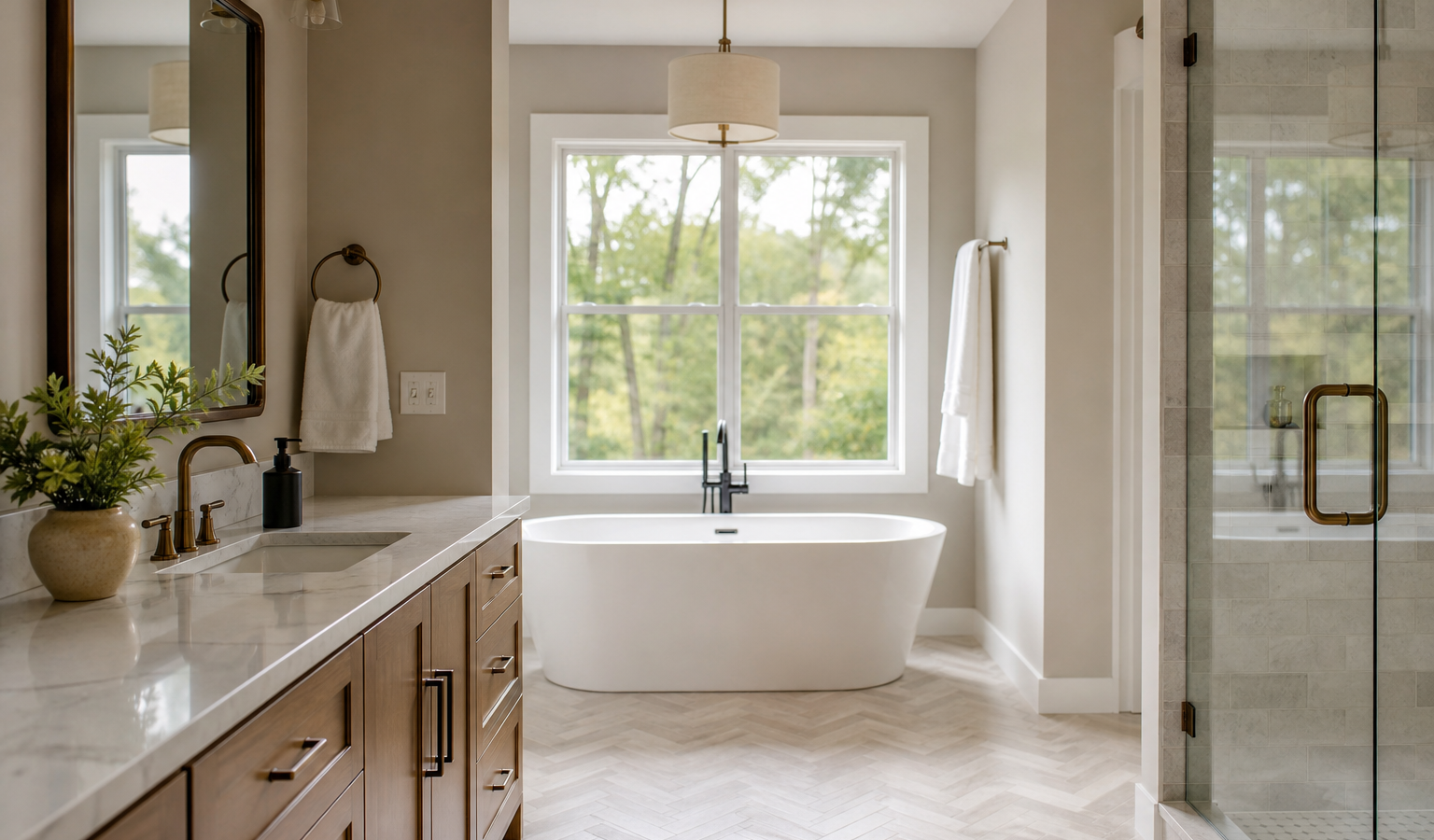
The bathroom remodel ROI for a midrange project is about 74 to 80 percent of its cost recouped at resale in 2026, the strongest it has been since 2007, while upscale, luxury remodels recover closer to 42 to 50 percent. In dollars, the industry benchmark puts the average midrange bath remodel at roughly $26,000 in cost and about $21,000 in added resale value. The pattern is consistent: modest, well-chosen updates pay back a high share of their cost, while top-dollar renovations are bought for the enjoyment, not the return.
This guide breaks down ROI by project type, names the specific upgrades that move an appraisal, explains why a $25,000 remodel beats a $70,000 one on a return basis, and shows how to maximize payback whether you are selling next year or staying put. Figures track the Zonda Cost vs. Value benchmark and current 2026 market data.
Key takeaways
- A midrange bathroom remodel recoups about 74 to 80 percent of its cost; upscale recoups 42 to 50 percent.
- Cosmetic updates ($3,000 to $10,000) return the highest share, roughly 70 to 85 percent.
- The average midrange job costs about $26,000 and adds about $21,000 in resale value.
- Adding a bathroom where none existed returns 50 to 60 percent but can unlock buyer demand in one-bath homes.
- Energy- and water-efficient fixtures, better lighting, and neutral finishes add value out of proportion to their cost.
What is the ROI of a bathroom remodel?
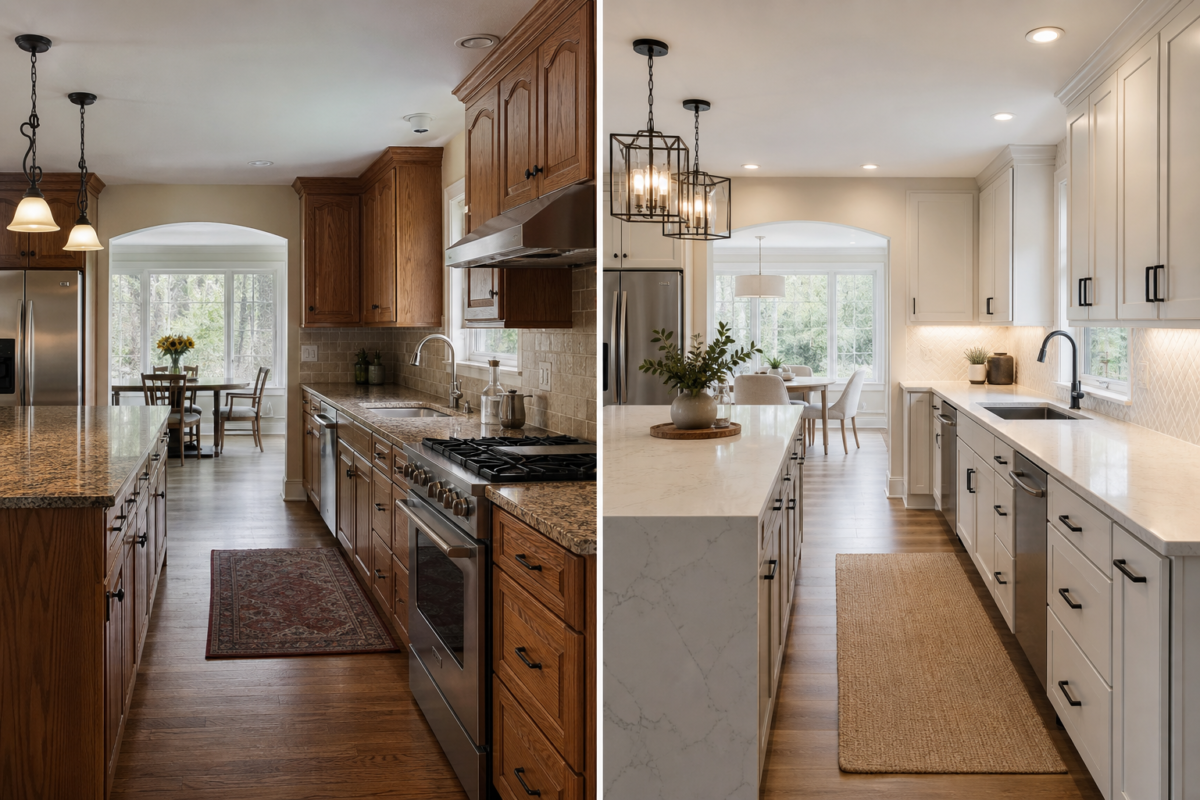
The ROI of a bathroom remodel is the share of its cost you recover in added home value at resale, and for a midrange project in 2026 that figure is about 74 to 80 percent nationally. Returns vary widely by region, with several high-demand states posting bathroom returns in the high 80s and low 90s, and by how restrained the budget is.
| Project type | Typical cost | Resale ROI |
|---|---|---|
| Minor cosmetic update | $3,000 – $10,000 | 70 – 85% |
| Midrange remodel | $20,000 – $30,000 | 74 – 80% |
| Upscale / luxury remodel | $50,000 – $90,000 | 42 – 50% |
| New bathroom addition | $25,000 – $50,000+ | 50 – 60% |
No common remodel returns more than 100 percent, so ROI is best read as “how much of my money comes back,” not “how much I profit.” For what each scope actually buys, pair this with our bathroom remodel cost guide and the budget bathroom remodel guide if you are weighing budget against return.
Bathroom remodel ROI by project type
Cosmetic refreshes and midrange remodels deliver the best ROI, while upscale renovations and additions trail because their high cost outruns the value buyers assign. The relationship is not linear: doubling your spend does not double your return, and past a point each extra dollar recovers less.
Cosmetic and midrange: the sweet spot
A cosmetic update, new paint, lighting, a vanity, fixtures, and flooring, recovers 70 to 85 percent because it fixes what buyers notice at a fraction of a gut-remodel cost. A midrange remodel that replaces the shower or tub surround, vanity, toilet, and tile lands near 80 percent. This band is where resale-minded owners should concentrate, because it corrects everything a buyer flags on a walkthrough without crossing into the luxury tier where returns fall off a cliff.
Upscale and luxury: bought for enjoyment
Upscale remodels with imported stone, a freestanding soaking tub, a frameless glass steam shower, and heated floors recoup only 42 to 50 percent, because appraisers and buyers cap what they will pay for a bathroom relative to the rest of the house. Build one of these for your own enjoyment, not for the return, and be realistic that much of the spend will not come back at sale.
Which upgrades add the most value?
The highest-value bathroom upgrades are efficient fixtures, updated lighting and ventilation, fresh neutral tile and paint, and a modern vanity, because they signal a cared-for, move-in-ready home without the cost of a full gut. Buyers reward the perception of newness and function far more than they reward luxury materials.
Water- and energy-efficient fixtures carry extra weight: an EPA WaterSense toilet and faucet lower utility bills, a selling point buyers notice, and ENERGY STAR ventilation improves listing appeal. A walk-in shower is in high demand with both downsizing boomers and younger buyers; our walk-in shower cost guide covers what one costs. Good lighting is one of the cheapest value adds; see our bathroom vanity guide.
How region and market timing change ROI
Bathroom remodel ROI swings sharply by location and market cycle: the same project that recoups 75 percent nationally can return in the high 80s or low 90s in supply-constrained, high-demand metros, and noticeably less in slower markets. Local comparable sales, not national averages, ultimately set what your remodel adds.
Timing matters too. In a seller market with low inventory, buyers compete and reward updated bathrooms more generously; in a buyer market, the same upgrade recovers less because buyers have options. A remodel finished right before listing shows better than one that has aged a few years, so sellers should sequence the work close to the sale rather than years ahead. The broader kitchen and bath industry, valued around $235 billion in 2025 by the NKBA, reflects how central these two rooms are to buyer decisions.
Does adding a bathroom increase home value?
Adding a bathroom increases home value and returns about 50 to 60 percent of its cost directly, but the real payoff is unlocking demand: a home with only one bathroom is passed over by many buyers, so a second bath can shorten time on market and widen the buyer pool more than the raw ROI suggests. A half bath or powder room is the most cost-effective add.
The value jump is largest when you go from one bathroom to two, and smaller with each bathroom after that. Converting underused space, a closet, an under-stair nook, or part of an oversized bedroom, into a powder room captures most of the benefit at the lowest cost.
There is a diminishing-returns ceiling, though. A home with more bathrooms than bedrooms rarely gets credit for the extra, and squeezing a cramped, awkward bath into the floor plan can read as a negative. The sweet spot is matching the bathroom count to what comparable homes in your neighborhood offer, typically at least a bathroom-and-a-half for a two- or three-bedroom home. Appraisers value a well-placed, properly sized addition; they discount a shoehorned one.
Bathroom remodel ROI vs. kitchen
Bathrooms and kitchens are the two most-renovated rooms and both return strong value, but bathrooms often edge out kitchens on a percentage basis because the project is smaller and cheaper to get right. A midrange bath near 80 percent frequently beats a major kitchen remodel on pure ROI, though kitchens can add more absolute dollars.
If you are prioritizing across the house, compare these numbers with our kitchen remodel ROI guide. The strategic move for many sellers is a restrained bath update plus targeted kitchen fixes rather than one maximal project. Spreading a fixed budget across both rooms, where buyers form their strongest impressions, usually beats pouring everything into a single showpiece that the appraisal cannot fully credit.
Contractor’s take
When a client is remodeling to sell, I steer them away from the freestanding tub and the imported marble every time. The money that recovers is in a clean, neutral, well-lit bathroom with a good walk-in shower and new fixtures. Save the stone and the heated floors for the house you are staying in. I have watched sellers sink $60,000 into a bathroom and get an appraisal bump of $25,000; the same buyers would have paid nearly identical for a $25,000 refresh.
How to maximize your bathroom remodel ROI
To maximize bathroom remodel ROI, keep the budget midrange, preserve the existing plumbing layout, choose neutral and durable finishes, and spend on the things buyers see first: lighting, vanity, fixtures, and a fresh shower. Avoid moving plumbing and chasing luxury materials unless the enjoyment justifies the lost return.
Condition beats novelty at resale. A dated but spotless bathroom often appraises better than a half-finished renovation or a bold design that polarizes buyers. If budget is tight, finish fewer things to a high standard rather than spreading money thin across a gut remodel you cannot complete. Re-grouting, re-caulking, swapping a vanity, and repainting can transform a tired bathroom for a few thousand dollars and recover most of that cost, which is why cosmetic work tops the ROI charts.
- Set a midrange budget (roughly $15,000 to $30,000) for the best return band.
- Keep the toilet, sink, and shower in place to save $3,000 to $10,000.
- Pick neutral tile and paint that appeal to the widest buyer pool.
- Install efficient WaterSense and ENERGY STAR fixtures to advertise lower bills.
- Upgrade lighting and ventilation; they read as newness cheaply.
- Skip the soaking tub and imported stone if resale, not enjoyment, is the goal.
- Time the project against your sale; see our timeline guide to avoid listing delays.
When a bathroom remodel is not about ROI
If you are staying in the home for years, ROI matters far less than daily use-value, and spending on comfort you will enjoy every day is a legitimate choice even at a low resale return. The 42 to 50 percent return on a luxury bath is only a loss if you sell soon; if you shower in it for fifteen years, the math changes entirely.
Accessibility upgrades follow the same logic: an aging-in-place remodel may not top the ROI charts, but it can let you stay in your home instead of paying for assisted living, which is a return no appraisal captures. Weigh how long you will stay against how much return you need before you let ROI alone decide the budget. Plan the work with our bathroom remodel timeline guide so a longer project does not collide with other plans.
A useful rule of thumb: if you will sell within three years, treat ROI as the ceiling on your budget and stay in the cosmetic-to-midrange band. If you will stay five years or more, let daily comfort lead and treat resale value as a bonus rather than a target. Most regret comes from spending like a long-term owner while planning to sell soon, or skimping like a seller in a home you will keep for decades. Matching the budget to your actual timeline is the highest-leverage ROI decision you will make.
Your next move
You know the number. What are you deciding next?
Walk-in tub cost in 2026: $5,000 to $20,000 installed. Compare tub types, features, and the real Medicare coverage…
Continue →Bathroom remodel financing explained: compare home equity loans, HELOCs, cash-out refi, personal loans, and 0% cards with 2026…
Continue →Steam shower cost runs $3,000 to $10,000 installed in 2026. See prices by generator size, enclosure, and prefab…
Continue →Frequently asked
What is a good ROI for a bathroom remodel?
A midrange bathroom remodel recoups about 74 to 80 percent of its cost in 2026, which is considered strong for a home improvement. Cosmetic updates can reach 85 percent, while upscale luxury remodels return only 42 to 50 percent.
How much does a bathroom remodel increase home value?
A midrange remodel averaging about $26,000 adds roughly $21,000 in resale value. Smaller cosmetic updates add $6,000 to $9,000, and adding a new bathroom can add more by unlocking buyer demand.
Is an upscale bathroom remodel worth it?
For resale, usually not, upscale remodels return only 42 to 50 percent. They are worth it when you will live in and enjoy the bathroom for years, since use-value, not ROI, justifies the spend.
Does adding a second bathroom pay off?
Directly it returns about 50 to 60 percent, but the indirect payoff is larger: moving from one bathroom to two widens the buyer pool and can shorten time on market. A powder room is the most cost-effective add.
Which bathroom upgrades add the most resale value?
Fresh paint, updated lighting and ventilation, a modern vanity and fixtures, neutral tile, and efficient WaterSense toilets. These signal a move-in-ready home at a fraction of a gut-remodel cost.

ROI figures track the Zonda Cost vs. Value benchmark and 2026 US market data; dollar values are national averages.