Walk-In Shower vs Bathtub: Cost, Resale, and How to Choose (2026)
Walk-in shower or bathtub? A data-driven 2026 comparison of cost, resale value, accessibility, and space for US bathroom remodels.

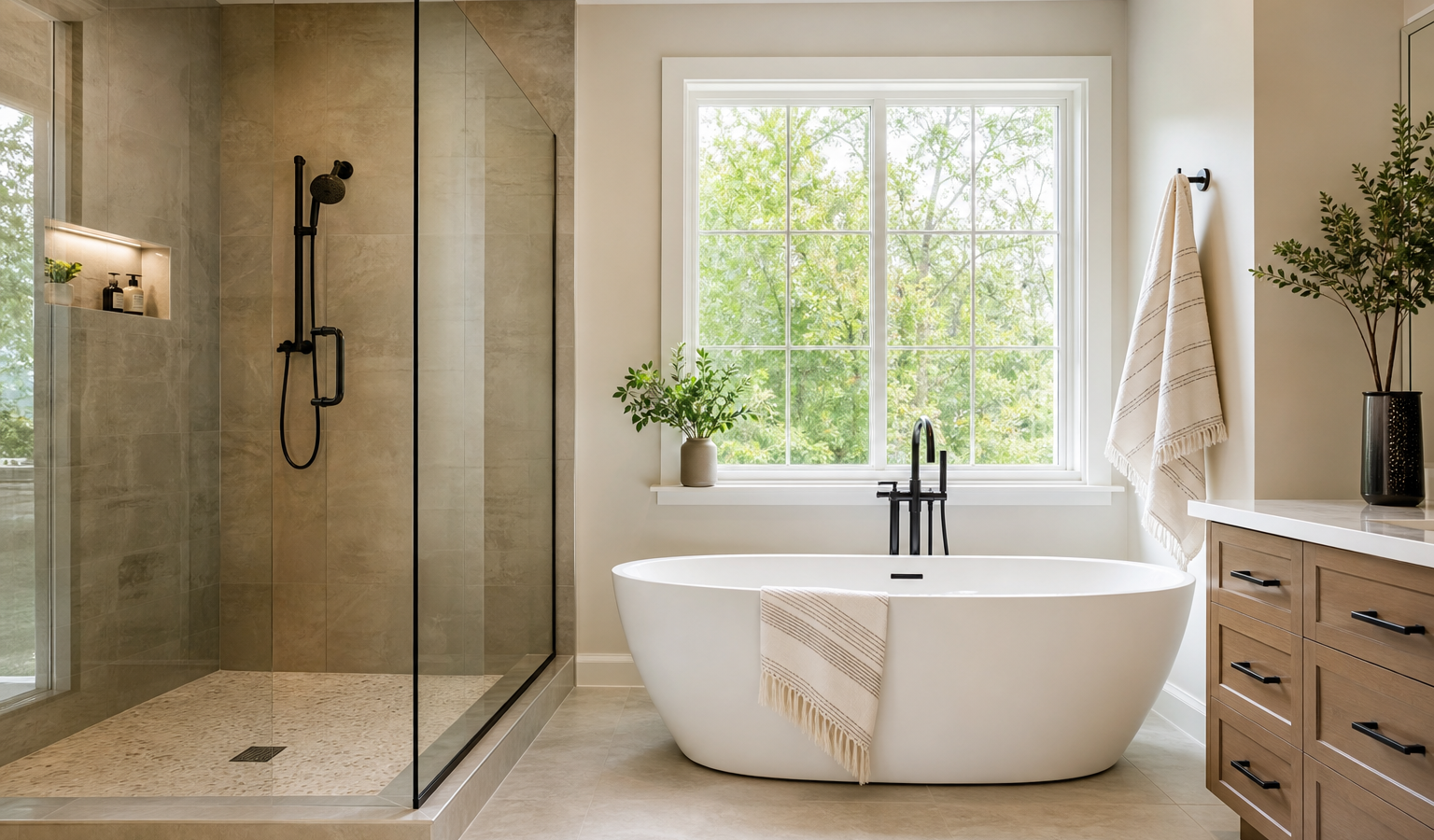
The shower vs bathtub decision shapes how a bathroom looks, how much you spend, how safely you age in your home, and even what it sells for later. A walk-in shower feels open, modern, and low-maintenance; a tub offers relaxation, resale insurance, and a place to bathe kids. In 2026, with walk-in showers dominating design trends and buyers still expecting at least one tub in the house, the right answer depends on how many bathrooms you have, who lives there, and your long-term plans. This guide gives you real installed costs, resale data, accessibility guidance, and a clear framework so you can choose with confidence.
We break down what walk-in showers and bathtubs actually cost to install in 2026, how each affects resale value, the accessibility case for aging in place, space and water considerations, and when a tub-to-shower conversion makes sense. If you are scoping a full project budget, start with our bathroom remodel cost guide and use this comparison to lock in the centerpiece fixture.
Key takeaways
- Walk-in showers cost more on average ($4,000 to $20,000) than a standard tub install ($1,200 to $5,000) but suit modern, low-maintenance baths.
- Never remove the only bathtub in a home you plan to sell; it can shrink your buyer pool by up to 40 percent and drop offers by $5,000 to $10,000.
- Showers and tubs return nearly identical ROI at resale, roughly 60 to 74 percent of project cost.
- Curbless walk-in showers are the top aging-in-place upgrade for safety and accessibility.
- In a one-bath home keep a tub or a tub-shower combo; in a multi-bath home convert the primary to a walk-in shower.
Shower vs Bathtub: Which Is Right for You?
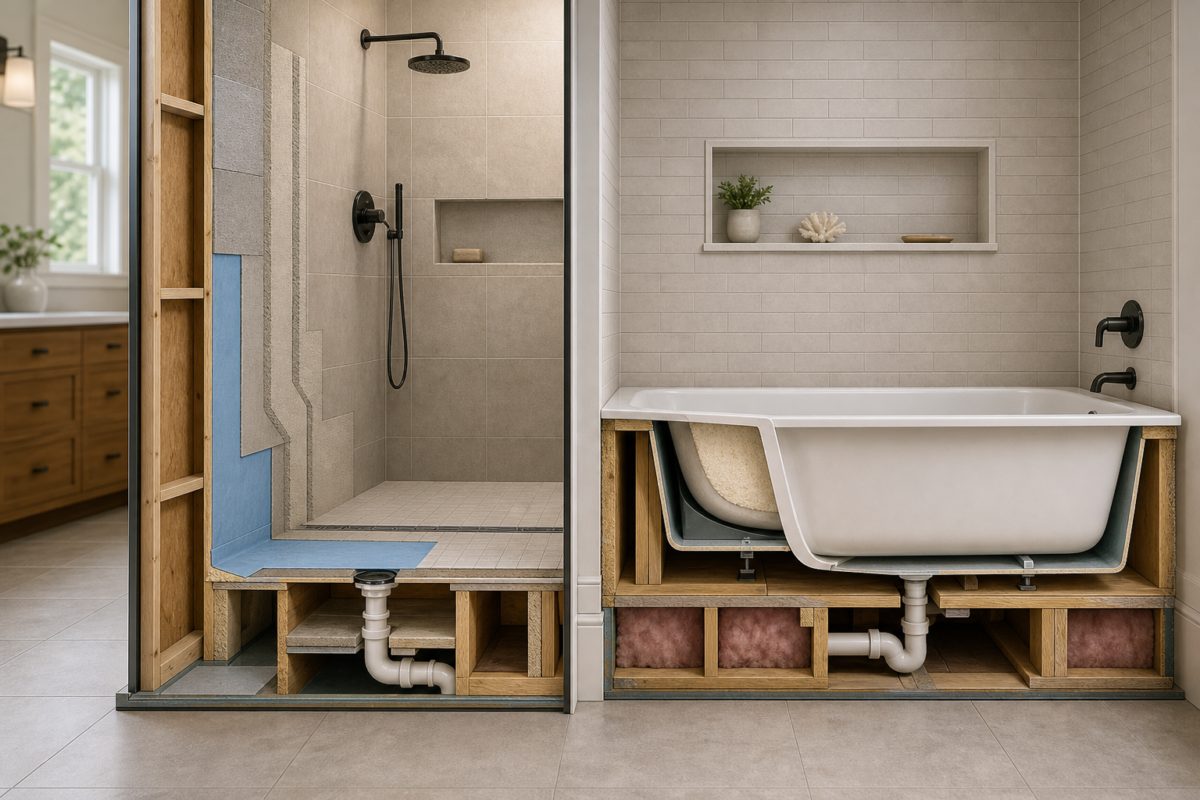
Choose a walk-in shower for a modern, accessible, low-maintenance primary bath, and keep a bathtub when you have young children, only one bathroom, or a buyer pool that expects a place to soak. The right call is rarely about taste alone; it hinges on your household, how many baths the home has, and whether you plan to sell within a few years. The factors below show how the two fixtures stack up on the priorities most homeowners weigh.
If you have more than one full bathroom, the popular 2026 formula is simple: put a spacious walk-in shower in the primary suite and preserve a tub or tub-shower combo in a secondary or family bath. That way you get the modern shower you want without sacrificing the resale and practicality a tub provides.
Walk-In Shower Costs in 2026
A walk-in shower costs $4,000 to $20,000 installed in 2026, with a national average near $12,000 and most mid-range projects landing between $7,000 and $10,000. Price swings on size, whether the shower is prefab or fully tiled, glass enclosure quality, and how much plumbing has to move.
Prefab vs custom tiled showers
A prefab acrylic or fiberglass shower kit runs $800 to $2,500 for the unit before labor and is the fastest, most watertight budget option. A custom tiled shower with a waterproof membrane, niche, bench, and frameless glass is where costs climb to $8,000 to $20,000, driven by tile selection, labor, and glass. Curbless (zero-threshold) showers add cost because the floor must be recessed and sloped to a linear drain, but they deliver the most open, accessible result. For a deeper cost breakdown, see our walk-in shower cost guide.
What drives shower price up
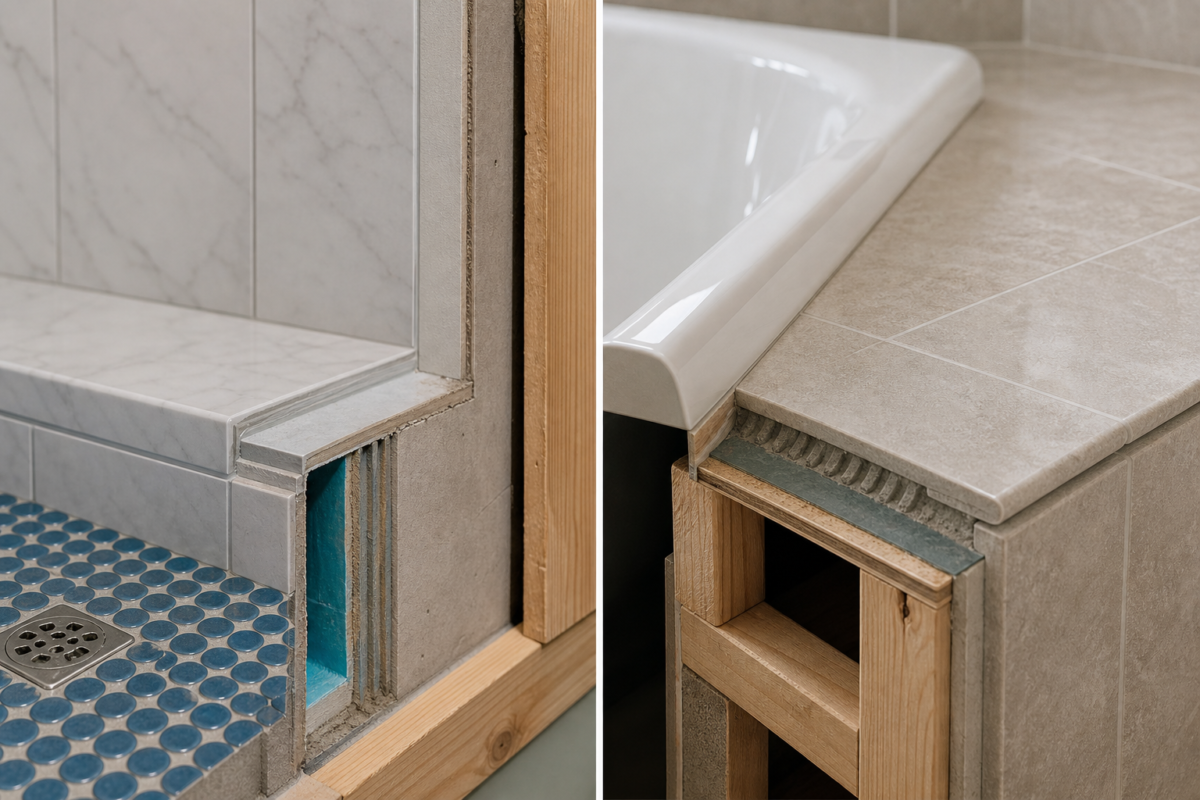
Frameless glass, large-format or mosaic tile, body sprays and rain heads, built-in benches, and moving drain or supply lines all add up quickly. Waterproofing is the one place never to cut corners: a proper membrane and correctly sloped pan prevent the hidden leaks that rot subfloors. Your floor choice ties in here too, so coordinate the pan and threshold with your bathroom flooring choice for a clean, watertight transition.
Bathtub Costs in 2026
A standard bathtub costs $1,200 to $5,000 installed in 2026, making it generally cheaper than a walk-in shower, though freestanding and specialty tubs push well past that. The fixture type, material, and any plumbing changes drive the final number.
Tub types and typical prices
An alcove tub, the classic three-wall install, is the most affordable at $700 to $2,500 installed and doubles as a tub-shower combo. A drop-in or undermount soaking tub runs $1,500 to $4,500 plus the surround. Freestanding tubs, the design darling of 2026, cost $2,500 to $8,000 or more installed because of the tub itself and the floor-mounted filler plumbing. Whirlpool and air-jet tubs land at the high end and add electrical and motor considerations.
Materials that matter
Acrylic is the value leader: light, warm to the touch, and easy to install. Cast iron holds heat beautifully and lasts generations but is heavy enough to need a reinforced floor. Enameled steel sits in the middle, while stone-resin freestanding tubs deliver a spa look at a premium. Match the tub to how often it will actually be used; a rarely filled soaker is a lot of money and floor space for occasional use.
Shower vs Bathtub Cost Comparison
Side by side, a tub is usually the cheaper fixture to install while a custom shower carries the widest price range. The table compares 2026 installed costs, space needs, and the standout strength of each option.
| Fixture | Installed cost (2026) | Typical footprint | Best strength |
|---|---|---|---|
| Prefab walk-in shower | $2,500 – $6,000 | 32 x 32 to 36 x 48 in | Fast, watertight, budget |
| Custom tiled shower | $8,000 – $20,000 | 36 x 48 to 42 x 60 in | Design and accessibility |
| Curbless walk-in shower | $9,000 – $20,000+ | 42 x 60 in or larger | Aging in place |
| Alcove tub / combo | $700 – $2,500 | 30 x 60 in | Value and resale |
| Drop-in soaking tub | $1,500 – $4,500 | 32 x 60 in | Comfort and depth |
| Freestanding tub | $2,500 – $8,000+ | 30 x 60 in plus clearance | Statement style |
Total spend also depends on the finishes and fittings around the fixture. A quality shower system or tub filler is a meaningful line item; our faucet and fixture guide explains how finish and valve quality affect price and longevity across the home.
Resale Value and ROI
Walk-in showers and bathtubs deliver nearly identical resale returns, roughly 60 to 74 percent of project cost, but removing your home’s only tub is the one move that can actively hurt value. Real estate data shows homes with a walk-in shower can sell for around $1,500 more on average, and some analyses credit showers with returning about $1.71 per dollar spent, yet the presence of at least one tub is what keeps a bathroom classified as a full bath for appraisal.
The practical rule agents repeat: never remove the last bathtub from a home you plan to sell. Converting a home’s only tub to a shower can shrink your buyer pool by up to 40 percent and reclassify a full bath as a three-quarter bath, with buyers typically offering $5,000 to $10,000 less. Families with young children specifically search for homes with a tub. For how bathroom upgrades sit within whole-home returns, our remodel ROI guide puts these numbers in context. The National Kitchen and Bath Association tracks these design and resale trends in depth.
Accessibility and Aging in Place
A curbless walk-in shower is the single best bathroom upgrade for accessibility and aging in place, eliminating the high step-over that makes tubs a leading fall hazard for older adults. As more homeowners plan to age in their homes, zero-threshold showers with grab bars, a built-in bench, a handheld sprayer, and slip-resistant flooring have become the standard safe-bathing setup.
- Curbless, zero-threshold entry at least 36 inches wide for walker or wheelchair access.
- Reinforced blocking in the walls for grab bars rated to hold real weight.
- A fold-down or built-in bench and a handheld, slide-bar shower head.
- Slip-resistant floor tile with a wet DCOF of 0.42 or higher and a linear drain.
- Lever or thermostatic valves to prevent scalding and ease of use for limited grip.
Falls in the bathroom are among the most common household injuries for older Americans, and the CDC publishes fall-prevention guidance. If aging in place is a real goal, prioritize the curbless shower now; retrofitting later, mid-injury, is far more expensive and disruptive.
Space, Layout, and Water Use
A walk-in shower usually fits a smaller footprint than a tub and uses less water per use, while a standard tub needs a 30 by 60 inch alcove and up to 40 gallons or more to fill. In tight bathrooms, a shower frees floor space and makes the room feel larger, which is part of why open showers dominate small-bath design in 2026.
Water use tilts toward showers for most households: a typical shower uses far less water than a full bath, though long showers with a high-flow head can close that gap. Look for WaterSense-labeled shower heads to cut usage without sacrificing pressure. Layout also matters for cost, since keeping the new fixture where the old plumbing already runs avoids expensive supply and drain relocation; a smart vanity and layout plan keeps the whole room working together.
Tub-to-Shower Conversion and Combos
A tub-to-shower conversion typically costs $3,000 to $10,000 and returns roughly 60 to 74 percent at resale, making it a sensible upgrade only when the home keeps at least one other tub. It is the go-to move for primary suites in multi-bath homes where owners want a bigger, easier-to-clean shower.
When you have just one bathroom, the tub-shower combo is the smart compromise: a single alcove fixture that bathes kids, satisfies resale expectations, and still lets adults shower. Before converting, run through the checklist below so the project pays off rather than backfiring.
- Confirm the home retains at least one bathtub after the conversion.
- Match the change to your buyer pool; family neighborhoods favor at least one tub.
- Keep the new fixture on the existing plumbing footprint to control cost.
- Budget for proper waterproofing and a correctly sloped, slip-resistant pan.
- Coordinate tile, glass, and flooring so thresholds and transitions stay watertight.
Contractor’s take
The number one regret I get called about is a homeowner who ripped out their only tub for a gorgeous shower, then tried to sell three years later to young families who walked at the door. If you have two or more baths, absolutely put a walk-in shower in the primary and keep a tub elsewhere. If you have one bath, do a tub-shower combo and spend your money on great tile and a curbless-ready base. Protect the resale first, then design.
Shower vs Bathtub FAQ
Your next move
You know the number. What are you deciding next?
Walk-in tub cost in 2026: $5,000 to $20,000 installed. Compare tub types, features, and the real Medicare coverage…
Continue →Bathroom remodel financing explained: compare home equity loans, HELOCs, cash-out refi, personal loans, and 0% cards with 2026…
Continue →Steam shower cost runs $3,000 to $10,000 installed in 2026. See prices by generator size, enclosure, and prefab…
Continue →Frequently asked
Does removing a bathtub hurt home value?
It can, if it is the only tub in the house. Removing the last bathtub can shrink your buyer pool by up to 40 percent and lead to offers $5,000 to $10,000 lower, because the bath may be reclassified from a full bath to a three-quarter bath.
Is a walk-in shower cheaper than a bathtub?
Not usually. A standard tub installs for $1,200 to $5,000, while a walk-in shower averages around $12,000 and ranges from $4,000 to $20,000. A prefab shower kit can be competitive, but custom tiled showers cost more than most tubs.
Which adds more resale value, a shower or a tub?
They return nearly the same ROI, roughly 60 to 74 percent. Walk-in showers can command a small price premium in modern markets, but keeping at least one tub in the home protects value with family buyers.
What is the best bathroom setup for aging in place?
A curbless walk-in shower with a 36-inch entry, grab bars, a bench, a handheld sprayer, and slip-resistant flooring is the safest layout. It removes the tub step-over that causes many bathroom falls for older adults.
Should a one-bathroom home have a shower or tub?
Keep a tub, ideally a tub-shower combo. In a single-bath home the tub protects resale and serves families with children, while the combo still gives adults a full shower experience.

Cost and resale figures reflect 2026 US remodeling and real estate data; confirm local quotes and market conditions.