Butcher Block Countertops: Pros, Cons, and Cost (2026)
A general contractor's honest guide to butcher block countertop grain types, wood species, finishes, real 2026 installed prices, and the maintenance it takes to last decades.

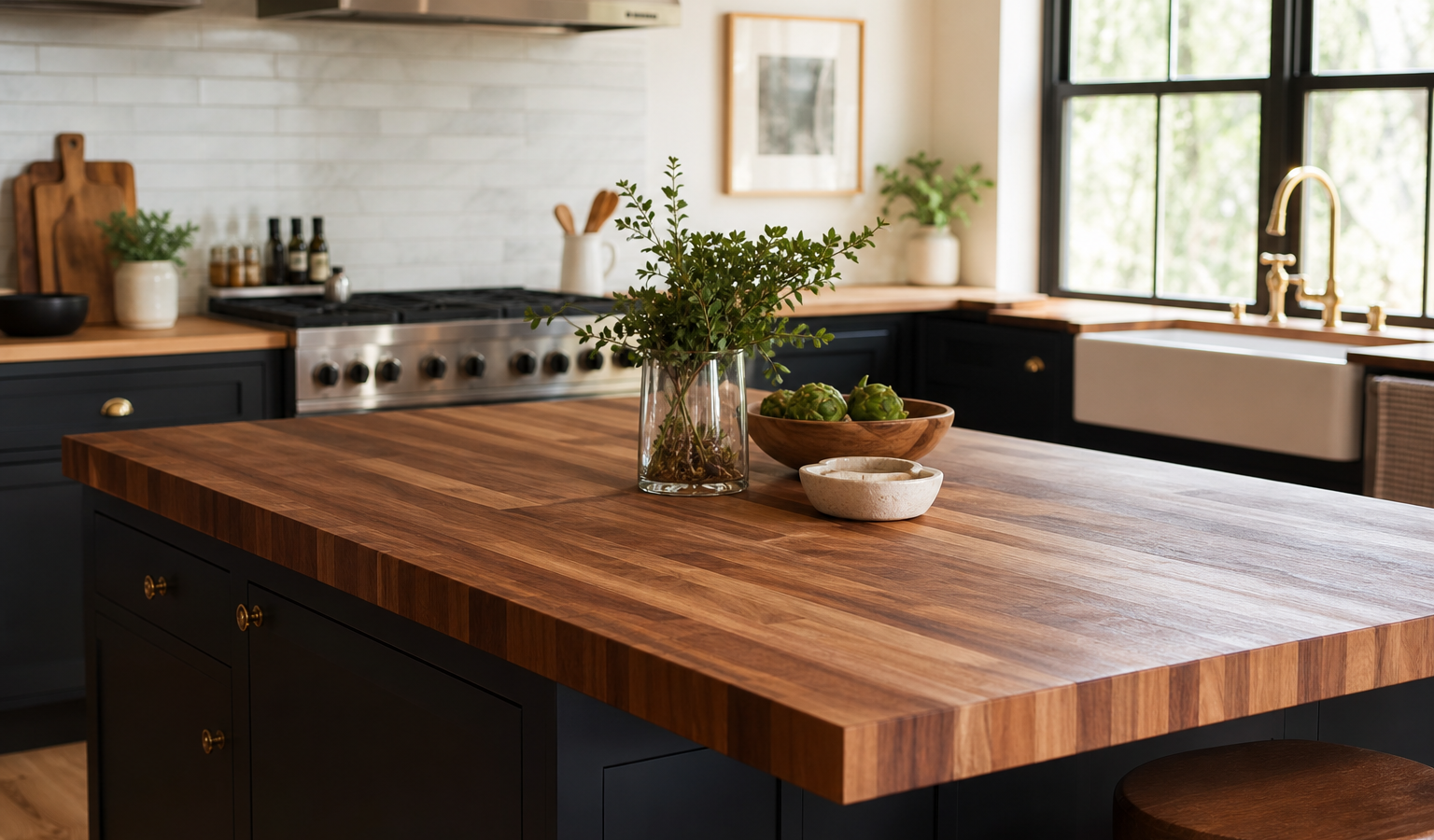
Few surfaces make a kitchen feel as warm and lived-in as wood, and butcher block countertops deliver that look for a fraction of what stone or engineered slabs cost. A butcher block countertop is a solid work surface built from strips of hardwood glued and pressed together, and it has become one of the most popular budget-to-midrange choices in American kitchens for 2026. This cost guide walks through exactly what butcher block is, the grain types and wood species you can pick, the real installed prices per square foot this year, and the honest pros and cons before you commit.
Wood is a living material, so it rewards a little care and punishes neglect. Get the finish and the maintenance routine right and a butcher block counter can serve for decades and be sanded back to new. Get lazy about water near the sink and it can swell, stain, or split. Below we cover the tradeoffs a general contractor actually flags on the job so you can decide whether butcher block belongs on your whole kitchen, an island, or just a baking station.
What Are Butcher Block Countertops?
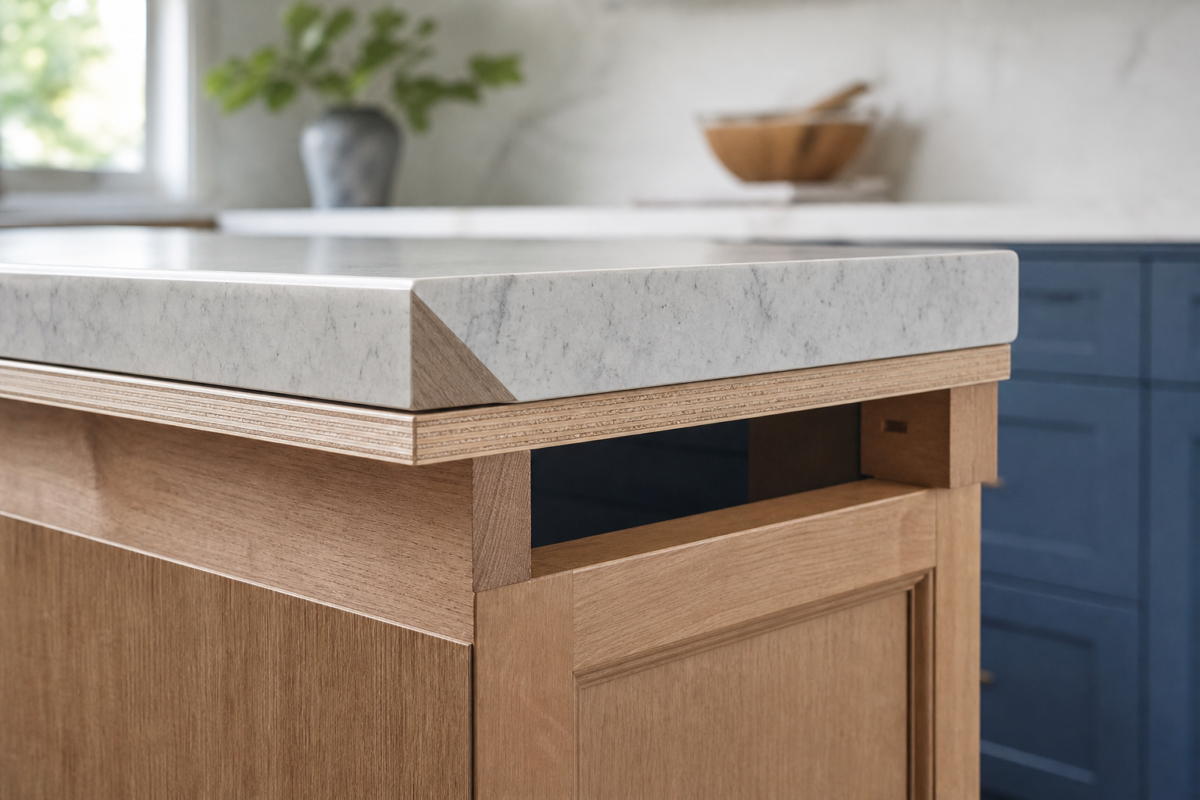
Butcher block is a countertop made by bonding many pieces of solid hardwood together under pressure into a thick, stable slab. The name comes from the heavy chopping surfaces used in old butcher shops, though most residential butcher block today is thinner, typically 1.5 to 2.25 inches thick. Because it is real wood rather than a veneer over particleboard, it can be sanded, re-oiled, and repaired many times over its life.
How it differs from laminate and stone
Unlike laminate, which is a printed layer over composite board, butcher block is solid through its full thickness, so a scratch or burn can be sanded out rather than replaced. Unlike quartz or granite, it is soft, warm to the touch, and forgiving on dropped glassware. It is also far lighter, which makes it one of the most DIY-friendly counters you can install. If you are still weighing your options, our guide to the best countertop materials compares wood against stone, quartz, and laminate side by side.
Grain Types: Edge Grain, End Grain, and Face Grain
How the wood strips are oriented changes the look, the durability, and the price of a butcher block countertop. There are three main constructions, and understanding them is the fastest way to control your budget.
The three constructions compared
Edge grain lays long strips on their narrow edge, giving those clean parallel lines most people picture when they hear butcher block. It is the best value and the most common choice for full counters. End grain stands short blocks upright so you see the tree rings on top, producing a checkerboard look that is prized on true chopping surfaces because knife blades slip between fibers and the wood partly self-heals around cuts. It is also the priciest and the most dimensionally active. Face grain shows the wide flat face of each board, delivering the most dramatic figure and grain but the softest, most dent-prone surface.
| Grain type | Look | Durability | Material cost per sq ft |
|---|---|---|---|
| Edge grain | Clean parallel strips | Very good, resists denting | $50 – $275 |
| End grain | Checkerboard of tree rings | Best for chopping, self-healing | $75 – $350 |
| Face grain | Wide dramatic grain | Softer, dents more easily | $30 – $200 |
| Blended grain | Mixed strip widths | Good all-purpose | $50 – $325 |
Wood Species and 2026 Prices
The species you choose drives both the color and a big share of the cost. Domestic hardwoods like oak, birch, and maple are the affordable workhorses; exotic and figured woods like walnut, teak, and cherry command a premium. Prices below are material-only per square foot before installation, based on 2026 US supplier and marketplace data.
Popular species from budget to premium
Maple is the classic butcher block wood: pale, hard, tight-grained, and easy to find, which is why so many stock counters use it. Oak is the cheapest common option with a bold open grain. Birch sits just above oak and mimics maple for less. Acacia brings rich caramel-and-brown variation at a moderate price and is very popular in big-box stock slabs. Walnut is the luxury pick, a deep chocolate hardwood, while teak is naturally oily and water-resistant, which makes it a favorite near sinks.
| Wood species | Look | Material cost per sq ft (2026) |
|---|---|---|
| Red oak | Bold open grain, light tan | $15 – $50 |
| Birch | Pale, subtle grain | $25 – $75 |
| Maple | Creamy, tight uniform grain | $40 – $80 |
| Acacia | Caramel to brown variation | $30 – $100 |
| Beech | Warm honey tone | $40 – $100 |
| Teak | Golden, naturally oily | $100 – $200 |
| Walnut | Deep chocolate brown | $75 – $300 |
Contractor’s take
Nine times out of ten I steer budget-conscious clients to a maple or acacia edge-grain slab. You get real hardwood, easy resurfacing, and change to spare versus walnut or end grain. Save the splurge species for an island top where it becomes the room’s centerpiece and takes less abuse than the sink run.
Finishes: Oil vs Polyurethane vs Waterlox
A butcher block countertop is only as durable as its finish, and this is the single decision that determines your maintenance load. There are two broad camps: penetrating finishes that soak into the wood, and film finishes that sit on top.
Matching the finish to how you use the counter
Food-safe mineral oil is the default. It is cheap, easy to apply, never goes rancid, and lets you use the surface as a cutting board, but it soaks in and needs reapplying every one to six months. An oil-and-beeswax blend adds a light water-repelling wax layer and stretches reapplication to several months. Waterlox and other tung-oil sealers build a tougher water-resistant surface that still looks natural, curing food-safe, and lasting one to three years between coats. Polyurethane forms a hard plastic film with the best day-one water resistance, but it cannot be spot-repaired; when it chips or peels you must strip and refinish the whole top, and you can no longer chop directly on it.
Pros of Butcher Block Countertops
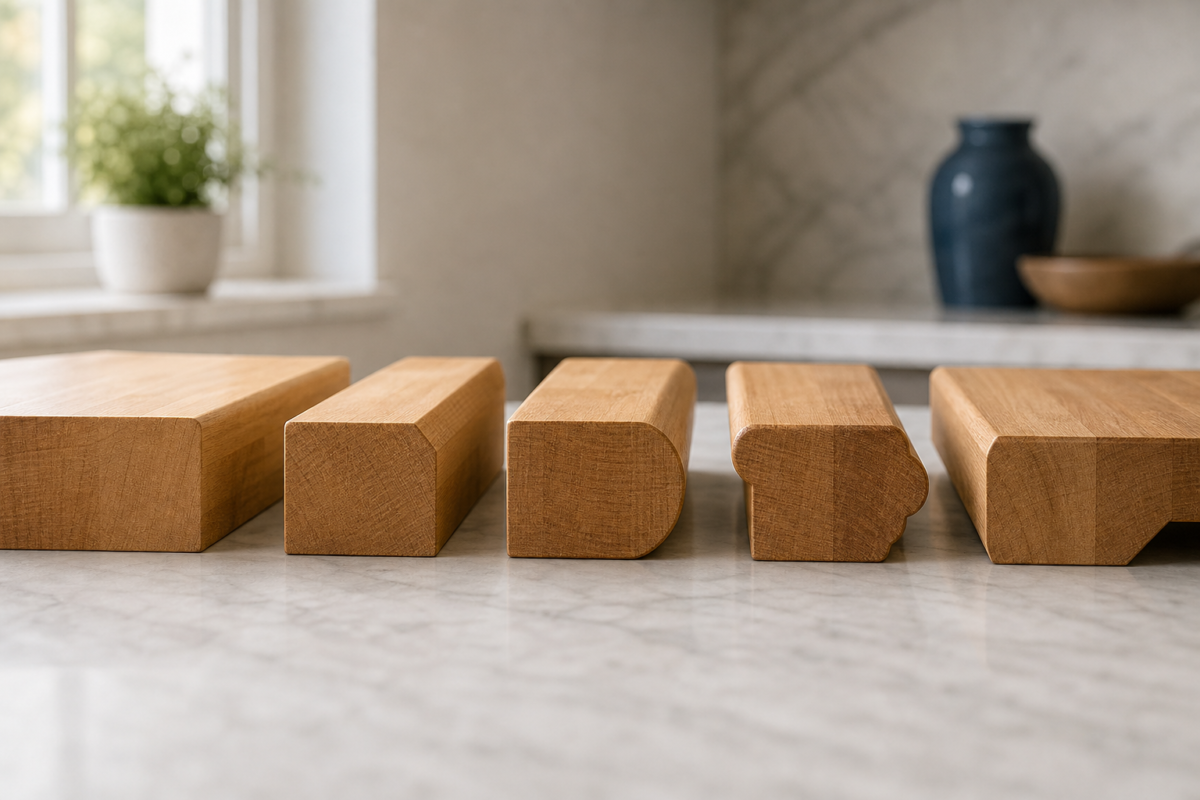
Butcher block earns its popularity on more than price. Here is what wins clients over.
Where butcher block shines
It brings instant warmth that stone cannot match, works with farmhouse, Scandinavian, and modern kitchens alike, and pairs beautifully with almost any backsplash or cabinet color. It is genuinely repairable: scratches, light burns, and stains sand out and disappear under fresh oil. It is soft enough to protect dropped dishes and gentle on knife edges. And because the slabs are light and cut with standard woodworking tools, it is one of the few counters a confident homeowner can install, a real saver if you are chasing budget kitchen remodel ideas.
- Warm, natural look that suits nearly any kitchen style
- Far cheaper than granite, quartz, or solid-surface stone
- Repairable for life: sand out scratches, burns, and stains
- Soft surface is gentle on knives and dropped glassware
- Light and DIY-friendly, cutting labor cost dramatically
- Renewable hardwood, and it can be a food-safe cutting surface
Cons and Real Risks
Wood asks for respect. These are the drawbacks that surprise people who treated butcher block like stone.
The tradeoffs to plan around
The big one is water. Standing water at the sink cutout, seams, or the back edge against the wall will eventually swell, darken, and rot the wood if it is not sealed and wiped up promptly. Heat is the second enemy: a cast-iron pan straight off the burner can scorch or crack the surface, so trivets are mandatory. Butcher block also stains from wine, oil, and beet juice if the finish is thin, dents under heavy impact, and needs periodic re-oiling that stone never demands. Sanding to refresh the surface is easy but messy. None of these are dealbreakers, but they are real chores.
Maintenance Routine and Sealing Schedule
The good news is that butcher block maintenance is simple, cheap, and quick once you know the rhythm. A fresh oil coat costs a few dollars and takes fifteen minutes.
The oiling and sealing calendar
For a new or freshly sanded top finished with mineral oil, the standard schedule is: oil once a day for the first week, once a week for the first month, then once or twice a year afterward. Heavy-use areas and dry climates need it more often; the visual cue is easy, as re-oil whenever the wood looks pale or feels rough. Wipe spills promptly, never let water pool, and re-caulk the joint where the counter meets the wall and any undermount sink rim every six to twelve months. The bars below show the relative maintenance load of butcher block against the finishes and risks that drive it.
Using butcher block near sinks
You can absolutely run wood up to a sink, but the cutout is the highest-risk zone. Seal every raw edge of the cutout with a waterproof finish before installation, oil the underside and all exposed edges, and lay a bead of clear silicone at the sink rim and the back wall. An undermount sink is workable with careful sealing, but a top-mount or drop-in sink covers the vulnerable cut edge and is the safer choice for wood. Inspect those seals twice a year and touch them up at the first sign of darkening.
Real 2026 Installed Cost and DIY Savings
Installed, most butcher block countertops run $40 to $120 per square foot in 2026, with an average around $60 per square foot for a mid-grade maple or acacia edge-grain top. That covers the slab, professional installation, and basic cutouts. Labor typically adds $10 to $100 per square foot depending on complexity, and a standard kitchen install takes just one to two days. For context on how that stacks up against other surfaces, see our kitchen countertop cost breakdown.
How much DIY saves
This is where butcher block separates from stone. A stock 8-foot maple or oak slab from a home center runs a few hundred dollars, and because the material is light and cut with a circular saw, a handy homeowner can install it in a weekend, cutting the professional labor almost entirely. That can bring a small kitchen’s counters in for well under $1,000 in materials. If wood is going on an island, our kitchen island cost guide covers how the top interacts with the base and overhang.
| Line item | Typical 2026 US cost |
|---|---|
| Butcher block installed (all-in) | $40 – $120 per sq ft |
| Average mid-grade installed | $60 per sq ft |
| Material only, budget species | $15 – $80 per sq ft |
| Professional labor | $10 – $100 per sq ft |
| Old countertop removal | $50 – $300 total |
| Install timeline | 1 – 2 days |
Lifespan and Resale Value
Treated well, butcher block is one of the longest-lived surfaces you can buy because it renews itself.
Durability and return on investment
A residential butcher block counter that is oiled and kept dry commonly lasts 20 years or more, and commercial blocks routinely survive 50-plus years because they can be sanded flat and refinished endlessly. On resale, wood is a style statement: buyers who love the farmhouse look pay a premium, while others may see it as a maintenance item. It rarely hurts value and often helps on an island or accent run. For the bigger picture on how counters affect a sale, weigh our kitchen remodel ROI data alongside your material choice.
Frequently asked questions
Your next move
You know the number. What are you deciding next?
Quartz vs. granite: the two most-chosen kitchen countertops compared on 2026 cost, durability, maintenance, heat, and looks -…
Continue →Luxury vinyl, tile, or hardwood? The three most-chosen kitchen floors compared on 2026 cost, water resistance, comfort, and…
Continue →Compare the 9 best kitchen countertop materials for 2026, with real installed prices per square foot, durability, and…
Continue →Frequently asked
Are butcher block countertops food-safe for chopping?
Yes, if finished with food-grade mineral oil, an oil-and-beeswax blend, or a cured food-safe sealer. You can chop directly on an oiled surface, though most people still use a separate cutting board to limit knife marks. Polyurethane-finished tops are not meant to be cut on.
How often do I need to oil butcher block?
For a mineral-oil finish, oil daily for the first week, weekly for the first month, then once or twice a year. Re-oil sooner whenever the wood looks pale or feels dry. Waterlox and hardwax finishes stretch that to one to three years.
Can butcher block go around a sink?
Yes, with careful sealing. Waterproof the cutout edges, oil the underside, and caulk the sink rim and back wall. A top-mount sink protects the cut edge best; undermount works but needs vigilant maintenance to avoid water damage.
What is the cheapest butcher block option?
Red oak or birch in an edge-grain construction is the least expensive, with material as low as $15 to $50 per square foot. A stock slab from a home center installed DIY is the cheapest route to a real wood counter.
How does butcher block compare to quartz or granite?
It is warmer, cheaper, and DIY-friendly but softer and higher-maintenance than stone. Quartz and granite resist water and heat far better and need little upkeep. Many kitchens mix the two, using stone at the sink and wood on an island.

Pricing compiled from 2026 US supplier, HomeGuide, Angi, and remodeling marketplace data; reviewed by a licensed general contractor.